
Introduction

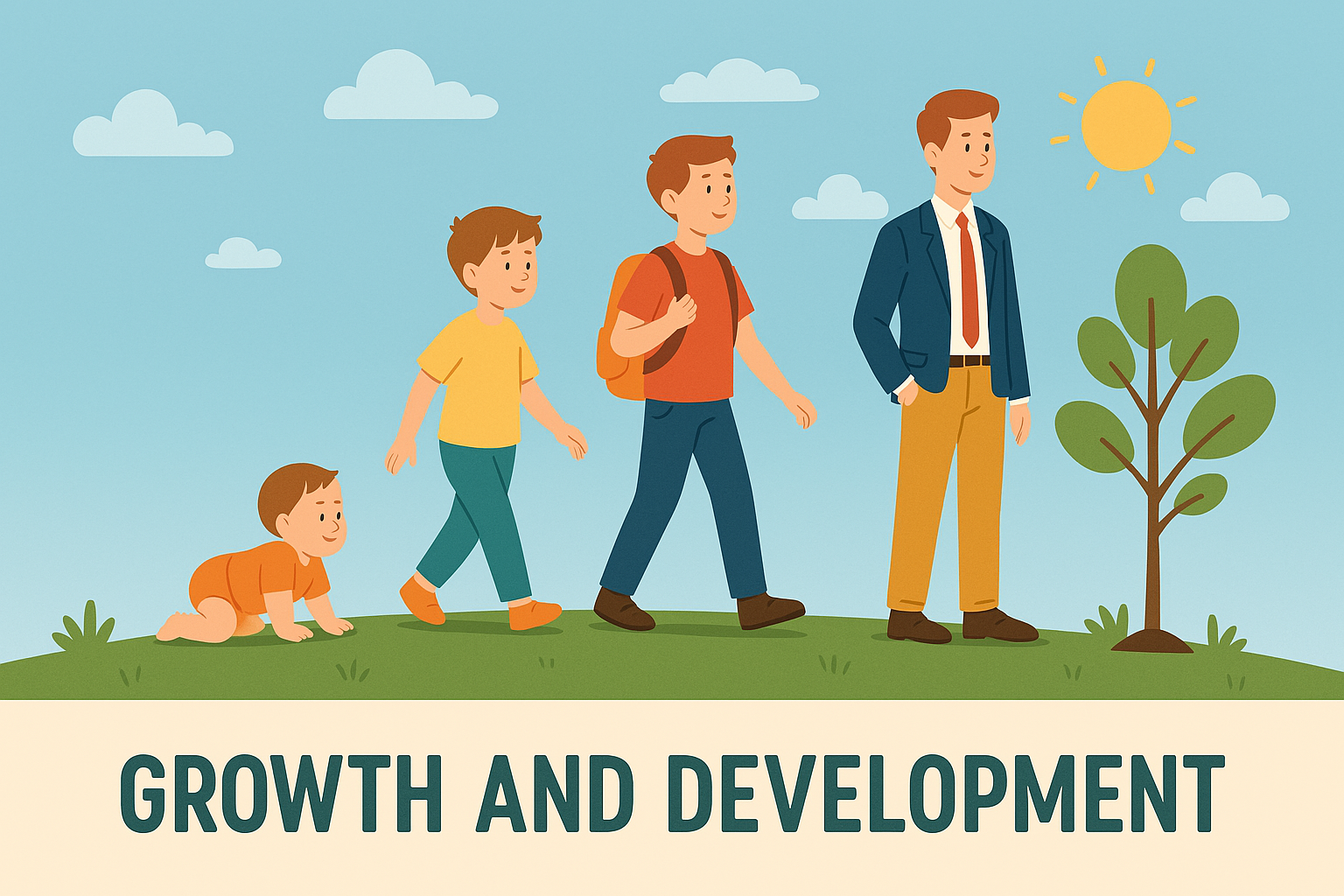
Childhood is a pivotal time for personal Growth and Development, setting the stage for future health, learning, and emotional resilience. The early years of a child’s life are marked by rapid growth and development, influencing everything from physical health to cognitive abilities and emotional resilience. During this formative stage, ensuring that children meet their growth and development milestones is essential. Timely identification of any delays allows for early intervention, which can significantly enhance a child’s future potential.
In today’s healthcare landscape, Growth and Development Assessment Clinics in children’s hospitals have become indispensable in supporting healthy growth and development. These specialized clinics are dedicated to monitoring, diagnosing, and managing a broad spectrum of developmental and behavioral concerns. By focusing on growth and development, they help identify conditions such as autism spectrum disorder (ASD), ADHD, speech and language delays, and learning difficulties at an early stage.
These clinics take a comprehensive approach to evaluating a child’s Growth and Development. They assess physical indicators like height, weight, and head circumference, while also closely examining cognitive, emotional, and motor skills. Their role in tracking Growth and Development over time helps ensure that any emerging issues are addressed promptly and effectively.
A key feature of these clinics is their multidisciplinary team structure, consisting of pediatricians, developmental specialists, psychologists, speech therapists, and occupational therapists. Working together, they provide a holistic picture of each child’s Growth and Development, enabling more targeted and effective treatment plans.
Beyond clinical care, these clinics play a vital role in educating and empowering families. By helping parents understand the importance of Growth and Development, they foster supportive environments both at home and in the community. Additionally, clinics often act as referral centers, connecting families with further resources and programs tailored to enhance a child’s Growth and Development.
With consistent monitoring, early detection, and personalized support, Growth and Development Assessment Clinics contribute significantly to optimal pediatric healthcare. Their focus on comprehensive Growth and Development strategies ensures that children receive the care they need at the right time. This guide explores the significance, methodology, and long-term impact of these clinics, shedding light on how they champion the cause of healthy childhood Growth and Development.
Importance of Growth and Development Assessment
Children’s growth and development are influenced by a combination of genetic, nutritional, environmental, and medical factors. Regular and systematic assessments of a child’s physical, cognitive, emotional, and social development play a crucial role in ensuring healthy progress and overall well-being.
These assessments help track developmental milestones, detect potential issues early, and provide guidance for appropriate interventions. Here are some key reasons why growth and development assessments are essential:
1. Early Detection of Developmental Disorders
Regular monitoring allows for the timely identification of conditions such as:
- Autism Spectrum Disorder (ASD)
- Cerebral Palsy
- Speech and Language Delays
- Attention-Deficit/Hyperactivity Disorder (ADHD)
Early detection ensures that interventions, such as therapy or educational support, can begin during critical periods of brain development, increasing the chances of positive outcomes.
2. Nutritional Status Monitoring
Assessments of weight, height, BMI, and other growth parameters help determine whether a child is receiving
adequate nutrition. They also aid in identifying:
- Undernutrition or malnutrition
- Obesity and related risks
- Deficiencies in essential vitamins and minerals
- Timely dietary recommendations and nutrition plans can then be implemented to support optimal growth.
3. Guiding Parents and Caregivers
- These assessments offer an opportunity to educate parents and caregivers on:
- Age-appropriate behaviors and developmental milestones
- Strategies to promote learning and emotional growth
- Healthy lifestyle practices, including sleep, diet, and exercise
- Warning signs of developmental delays or health issues
This guidance empowers families to actively participate in their child’s development journey.
4. Ensuring Timely Medical Interventions
Growth assessments can reveal signs of:
- Endocrine disorders (e.g., growth hormone deficiency, hypothyroidism)
- Genetic syndromes
- Chronic illnesses that may affect development
- Early diagnosis allows for prompt medical treatment, potentially preventing long-term complications.
5. Tracking Educational Readiness and Cognitive Development
Cognitive assessments help determine if a child is ready for school or if they require special educational support. This includes evaluating:
- Memory
- Problem-solving skills
- Language comprehension
- Social interaction capabilities
- Early support in these areas can improve academic performance and boost self-esteem.
6. Monitoring Emotional and Social Development
Evaluating a child’s ability to form relationships, express emotions, and adapt to social environments is vital. Early recognition of emotional or behavioral concerns can lead to:
- Counseling
- Social skills training
- Parent-child therapy
7. Supporting Public Health Goals
On a broader scale, individual assessments contribute to public health by:
- Providing data for identifying trends in childhood development
- Highlighting areas in need of community health interventions
- Informing policies aimed at improving child health outcomes
Essential Components of Pediatric Growth and Development Assessments
Growth and development assessments in pediatric settings are conducted by multidisciplinary teams, often comprising pediatricians, developmental-behavioral specialists, nutritionists, psychologists, occupational and physical therapists, speech-language pathologists, and social workers.
These evaluations encompass a range of domains to ensure a comprehensive understanding of a child’s health, development, and well-being.
1. Physical Growth Evaluation
- Anthropometric Monitoring: Key measurements—such as height, weight, BMI, and head circumference—are taken and compared with standardized growth charts (e.g., WHO or CDC).
- Bone Age Assessment: Discrepancies between skeletal maturity and chronological age may signal conditions such as growth hormone deficiency, delayed puberty, or early maturation.
- Pubertal Development Tracking: Tanner staging is used to monitor pubertal progress. Irregularities may indicate endocrine or systemic disorders and often warrant hormonal testing.
- Vital Signs Monitoring: Regular checks of blood pressure, heart rate, and respiratory rate help identify potential systemic issues influencing growth.
2. Cognitive and Intellectual Development
- Standardized Testing: Tools such as the Wechsler Intelligence Scale for Children (WISC), Denver Developmental Screening Test, and Bayley Scales assess cognitive skills and developmental milestones.
- Language and Communication: Speech-language pathologists evaluate a child’s receptive and expressive language, articulation, and comprehension abilities.
- Learning Disorder Screening: Assessments for conditions like ADHD, dyslexia, and dyscalculia are crucial for crafting individualized educational strategies.
- Executive Function Analysis: Tests for memory, attention, organization, and problem-solving provide insights into school readiness and adaptive functioning.
3. Emotional and Social Development
- Behavioral Screening Tools: Instruments such as the Child Behavior Checklist (CBCL) and Strengths and Difficulties Questionnaire (SDQ) help identify behavioral concerns and emotional disturbances.
- Social Competency Assessment: Observations and structured tools assess peer interactions, understanding of social cues, and adaptability in group settings—important for detecting autism spectrum disorder or social anxiety.
- Caregiver and Family Input: Structured interviews and questionnaires provide a window into the child’s behavior in home and school environments.
- Emotional Regulation Evaluation: Understanding how a child manages emotions like frustration or sadness offers insight into emotional maturity and potential mental health concerns.
4. Nutritional Health and Assessment
- Dietary Review: Nutritionists assess food intake through dietary recalls and food diaries to spot deficiencies or imbalances in nutrients such as iron, calcium, and vitamin D.
- Metabolic Screenings: Bloodwork may be used to identify metabolic or endocrine disorders, including diabetes, thyroid dysfunction, or celiac disease.
- Feeding and Swallowing Evaluation: Specialists evaluate oral-motor skills, sensory issues, and swallowing patterns in collaboration with speech and occupational therapists.
- Management of Malnutrition and Obesity: Both undernutrition and overnutrition are addressed through personalized nutrition and lifestyle plans.
5. Motor Skills and Physical Coordination
- Gross and Fine Motor Evaluation: Children are assessed for abilities like walking, jumping, grasping, and object manipulation—skills essential for everyday independence.
- Muscle Strength and Tone: Assessments may identify conditions such as cerebral palsy, muscular dystrophy, or hypotonia. Neurological evaluations are recommended for atypical findings.
- Therapy Referrals: Delays in motor development typically lead to referrals for physical or occupational therapy.
- Postural and Reflex Analysis: Evaluates a child’s balance, reflexes, and posture during movement and rest.
- Sensory Processing Review: Identifies sensory integration issues that may affect behavior, coordination, and learning.
6. Environmental and Socioeconomic Influences
- Home and Family Dynamics: Social workers assess family structure, living conditions, and parental involvement, recognizing the critical influence of the home environment on a child’s growth and development.
- Educational and Community Resources: Evaluations consider school performance, access to special education, and participation in extracurricular activities to provide context for developmental progress.
- Adverse Childhood Experiences (ACEs): Screening for trauma, abuse, neglect, or exposure to violence is essential, as these experiences can have lasting developmental and health impacts.
Common Challenges in Pediatric Developmental Assessments
1. Variability in Growth Patterns
Children develop at their own pace, and what may be a typical behavior for one child might signal a developmental delay in another.
- Genetic diversity plays a significant role; some children naturally achieve milestones earlier or later than their peers.
- Environmental factors such as home stimulation, parental interaction, and exposure to language can heavily influence development.
- Nutritional status impacts both cognitive and physical development, with undernutrition potentially delaying milestones.
- Distinguishing between a temporary lag and a clinically significant delay requires continuous observation and multiple assessments.
2. Limited Access to Specialized Healthcare
In many areas, especially rural or underdeveloped regions, healthcare infrastructure is lacking:
- Shortage of trained professionals, including pediatric neurologists, speech therapists, and occupational therapists.
- Long waiting times for consultations and referrals delay early diagnosis and intervention.
- Lack of multidisciplinary teams, which are essential for comprehensive developmental assessments.
- Telehealth services, while promising, may be underutilized due to poor internet access or lack of technical skills.
3. Parental Awareness and Engagement
The role of caregivers is crucial, yet many face barriers:
- Lack of knowledge about age-appropriate developmental milestones leads to missed warning signs.
- Cultural norms and stigmas may discourage seeking help, especially for mental or behavioral health concerns.
- Mistrust in medical systems or reliance on traditional healers may delay appropriate care.
- Language barriers between parents and healthcare providers hinder effective communication.
4. Difficulty in Standardizing Developmental Assessments
Standard tools may not reflect the diversity of children’s backgrounds:
- Most assessment tools are developed in Western contexts, limiting their applicability in other cultural settings.
- Translation of tools may miss cultural nuances or local behavioral norms.
- Subjectivity in scoring, especially with checklists and observation-based assessments, can lead to inconsistent results.
- Lack of longitudinal data from diverse populations restricts the development of norm-referenced tools globally.
5.Challenges in Diagnosing Developmental Disorders
Some neurodevelopmental disorders present with subtle or overlapping symptoms:
- Autism Spectrum Disorder (ASD) may manifest through social withdrawal in one child and hyperactivity in another.
- Attention-Deficit/Hyperactivity Disorder (ADHD) may be mistaken for behavioral issues or poor parenting.
- Comorbid conditions such as anxiety, learning disorders, or sensory processing issues complicate diagnosis.
- Gender differences in presentation (e.g., girls with ASD may mask symptoms better) further obscure diagnosis.
6. Socioeconomic Barriers
A child’s developmental trajectory is strongly influenced by their socioeconomic environment:
- Low-income families may lack resources for early childhood education, quality nutrition, or safe housing.
- The Cost of therapies and assessments may not be covered by insurance or public health programs.
- Parental education levels influence engagement with healthcare services and understanding of medical advice.
- Transportation challenges in rural or underserved areas limit access to clinics and follow-up services.
7. Emotional and Psychological Factors
Emotional well-being is often intertwined with developmental progress:
- Children experiencing trauma, neglect, or abuse may show regressive or delayed behaviors.
- Assessment environments can induce anxiety, leading to poor performance not reflective of actual ability.
- Social development is nuanced and harder to assess with standard checklists.
- Resilience and attachment styles also impact how children respond to assessment settings and intervention.
8. Integration of Technology in Assessments
Emerging technologies offer promising solutions but also new obstacles:
- Digital screening tools may enhance early detection but are inaccessible in low-resource settings.
- AI-driven assessments raise concerns about data reliability, bias, and validation across diverse populations.
- Lack of training among healthcare providers on how to use and interpret tech-based tools.
- Technology fatigue or distraction may affect children’s performance on tablet-based tasks.
9. Ethical Concerns in Pediatric Assessments
Developmental assessments require careful handling of sensitive information:
- Informed consent must be clearly communicated to parents and, when possible, assent from the child.
- Data privacy is critical, especially when storing digital health records or using AI.
- Labeling children at an early age can lead to stigmatization and exclusion from mainstream educational opportunities.
- Overdiagnosis or misdiagnosis can have long-term psychological and social consequences.
10. Follow-Up and Continuity of Care:
Assessment is only the first step; consistent intervention is key:
- Poor coordination between pediatricians, educators, and therapists leads to fragmented care.
- Lack of follow-up protocols can result in children being lost in the system.
- Transitions between early intervention services and school-based support are often poorly managed.
- Family burnout due to prolonged assessments, therapies, and uncertainty can reduce participation over time.
Technological Advances in Pediatric Assessment
1. Artificial Intelligence (AI) and Machine Learning: AI-driven platforms are revolutionizing pediatric care by analyzing vast datasets to predict growth patterns, flag developmental delays, and personalize treatment plans. These models continuously learn from new data, increasing diagnostic precision over time.
For example, AI algorithms can now analyze behavioral data to assist in early detection of conditions such as autism spectrum disorder (ASD), ADHD, and even rare genetic syndromes. Furthermore, AI is being integrated into EHR (Electronic Health Records) systems to provide predictive alerts and recommend evidence-based interventions.
2. Wearable Devices and Smart Sensors: Next-generation wearable technology—like smartwatches, biosensor patches, and sensor-embedded clothing—enables non-invasive, real-time tracking of vital signs, movement patterns, sleep cycles, and even stress levels. These devices are especially useful in monitoring children with chronic conditions, such as asthma, epilepsy, and diabetes, offering continuous data to clinicians without disrupting the child’s daily activities.
This constant stream of data improves the ability to detect early warning signs and intervene proactively.
3. Telemedicine and Remote Monitoring: Telehealth platforms have drastically improved access to pediatric care, especially in rural or underserved areas. Parents can now consult specialists via video calls, reducing the need for hospital visits.
Remote monitoring tools, like home-based developmental screening kits and smart medical devices (e.g., digital stethoscopes and thermometers), allow pediatricians to assess developmental milestones, physical symptoms, and treatment progress without requiring in-person appointments. These tools also promote better continuity of care.
4. Mobile Applications and Digital Screening Tools: A growing number of mobile health (mHealth) apps are designed to guide parents in tracking developmental milestones and reporting concerns. Some apps include gamified tasks to evaluate motor skills or language development, making assessments more engaging for children.
Clinicians use tablet-based digital screening tools to evaluate cognitive, emotional, and physical development, significantly cutting down assessment time while improving diagnostic accuracy and record-keeping.
5. 3D Imaging and Advanced Radiology: Technological advancements in imaging—such as 3D ultrasound, high-definition MRI, and low-dose CT—offer precise evaluations of pediatric anatomical structures. These tools are critical in assessing skeletal development, brain structure, and organ abnormalities.
Innovations like motion correction software now allow for clearer imaging in children who may have difficulty staying still, ensuring accurate diagnostics with minimal discomfort or sedation.
6. Genetic and Biomarker Testing: Genomic sequencing and advanced biomarker analysis are increasingly used to uncover genetic disorders and metabolic abnormalities early in a child’s life. These tests help identify risks for conditions like cystic fibrosis, Fragile X syndrome, and growth hormone deficiencies.
By understanding the genetic and biochemical underpinnings of a child’s health, doctors can tailor personalized treatment plans and implement early interventions that significantly improve outcomes.
7. Virtual Reality (VR) and Augmented Reality (AR) in Therapy: VR-based therapy programs simulate environments to help children with sensory integration issues, phobias, or developmental disabilities practice social and motor skills. Meanwhile, AR is used to superimpose visual cues and interactive elements onto physical environments, aiding in learning and communication for children with autism or attention disorders.
These immersive tools make therapy sessions more engaging, effective, and tailored to individual learning styles.
8. Robotics in Pediatric Rehabilitation: Robotic exoskeletons and therapy robots are being used to assist children with physical disabilities in regaining motor functions. These systems provide real-time feedback and adjust support based on the child’s progress, fostering faster and more efficient rehabilitation.
Robots are also used to provide interactive play and communication support for children with ASD or speech delays.
9. Cloud-Based Health Data Integration: Modern pediatric care increasingly relies on cloud computing to centralize and integrate data from multiple sources—EHRs, wearable devices, genetic testing, and imaging systems.
This comprehensive data ecosystem improves care coordination among specialists and enables predictive analytics, ultimately enhancing decision-making and early intervention strategies.
10. Natural Language Processing (NLP) in Pediatric Records: NLP tools are being developed to analyze doctors’ notes, parental observations, and developmental reports to detect patterns that might indicate emerging concerns. This technology enhances early detection and reduces administrative workload for healthcare providers, enabling them to focus more on patient interaction.
Future Directions and Innovations for Children’s Hospitals
1. Personalized Medicine for Pediatric Care: Genetic profiling and precision medicine will allow highly customized treatment plans for children, taking into account individual genetic, environmental, and lifestyle factors. Early detection of genetic predispositions to diseases such as cystic fibrosis, juvenile diabetes, or certain cancers will enable targeted and preventive interventions.
Advancements in pharmacogenomics will also help determine the most effective medications and dosages for each child, reducing side effects and improving outcomes. Integration of AI in genomic analysis will speed up diagnosis and treatment design, making personalized care more accessible and efficient.
2. Robotics in Pediatric Therapy: Robotic-assisted therapy will significantly enhance rehabilitation for children with motor impairments due to cerebral palsy, spinal injuries, or neuromuscular disorders. These therapies can be gamified to maintain motivation and engagement.
AI-driven robotic companions and social robots will be used to support children with autism spectrum disorders, offering emotional engagement, communication practice, and social skill development. Exoskeleton technology may also help in mobility training and walking assistance.
3. Expansion of Telehealth Services: Improved telehealth platforms will offer remote consultations, virtual physical exams using connected diagnostic tools, and chronic condition management from home. This is especially vital for children in rural or underserved communities.
AI-driven chatbots and digital health assistants will provide round-the-clock guidance for parents on common pediatric conditions, medication management, and emergency protocols. Wearable health monitors will enable pediatricians to continuously monitor vital signs, sleep patterns, and activity levels in real time.
4. Advanced Neurodevelopmental Assessments: Emerging technologies like EEG, fMRI, and near-infrared spectroscopy (NIRS) will allow for more accurate insights into cognitive, emotional, and neurological development. These tools will be especially useful in assessing non-verbal children or those with developmental delays.
AI-based diagnostic tools will enhance early detection of conditions such as ADHD, autism, dyslexia, and learning disabilities. Interactive neurofeedback games and virtual reality environments may also be used as both diagnostic and therapeutic tools.
5. Integration of Smart Hospital Systems: IoT-enabled smart infrastructure will facilitate real-time tracking of patient vitals, medication schedules, and bed occupancy, improving hospital workflow and safety. AI-integrated Electronic Health Records (EHRs) will provide predictive analytics for early warnings of complications or disease flare-ups.
Automated systems will ensure better care coordination among multidisciplinary teams, while smart wearables will bridge hospital-to-home care seamlessly. Additionally, robotics may assist in logistical support like medication delivery and sanitation.
6. Enhanced Focus on Mental Health and Well-Being: Digital platforms will be developed to provide cognitive-behavioral therapy (CBT), mindfulness training, and mood tracking tools tailored for children and adolescents.
Schools and pediatric hospitals will form stronger partnerships to create holistic mental health programs, with shared data models and care strategies. Peer support networks and parental counseling platforms will also play a larger role in family-based care models.
7. Sustainable and Eco-Friendly Pediatric Hospitals: Future children’s hospitals will prioritize sustainable practices through the adoption of renewable energy sources, energy-efficient lighting, and HVAC systems. Green building designs will include rooftop gardens, natural ventilation, and recycled materials.
Hospitals will implement waste reduction strategies, such as the use of biodegradable medical supplies, water-saving devices, and digital documentation to reduce paper usage. Eco-conscious hospital environments will not only reduce environmental impact but also contribute to better healing experiences.
8. Pediatric Innovation Hubs and Research Collaboratives: Children’s hospitals will increasingly establish in-house innovation hubs to accelerate the development of new medical devices, treatment protocols, and patient engagement tools.
These hubs will collaborate with academic institutions, biotech companies, and startups to bring cutting-edge research directly into clinical settings. Pediatric-focused clinical trials and AI-assisted research will help in rapidly testing and refining novel therapies.
9. Culturally Competent and Inclusive Care Models: With increasing diversity in pediatric populations, hospitals will adopt culturally sensitive care approaches. This includes multilingual AI translators, inclusive telehealth interfaces, and personalized care plans that respect different cultural values, dietary practices, and health beliefs.
Medical teams will receive training in inclusive communication and bias reduction to ensure equitable care for all children.
10. Immersive and Child-Centric Hospital Environments: Future pediatric hospitals will use augmented reality (AR) and virtual reality (VR) to reduce pre-procedure anxiety, provide education, and create calming environments. Interactive play zones, sensory rooms, and digitally-enhanced patient rooms will help children feel safe and engaged.
Personalized music therapy, virtual visitors, and holographic storytelling will support emotional well-being during hospitalization.
Conclusion
Growth and Development are fundamental indicators of a child’s overall well-being and future potential. Regular monitoring of Growth and Development ensures that children are on track physically, cognitively, emotionally, and socially. Pediatric healthcare systems worldwide emphasize the importance of tracking Growth and Development as a proactive measure to identify any potential delays or disorders early in life.
In today’s evolving medical landscape, the integration of advanced technologies has transformed how we assess Growth and Development. Tools such as artificial intelligence (AI), telemedicine, wearable health devices, and digital screening platforms have enhanced the accuracy, accessibility, and efficiency of pediatric evaluations.
These innovations provide valuable, real-time insights into a child’s Growth and Development, enabling healthcare professionals to make timely, evidence-based decisions.
Growth and Development assessments are no longer limited to traditional clinical settings. Telehealth and remote monitoring systems now allow for regular check-ups and continuous evaluation, even in remote or underserved areas. This shift ensures that all children, regardless of geographic or socioeconomic barriers, can benefit from consistent and thorough Growth and Development assessments.
Moreover, early detection through consistent Growth and Development monitoring leads to better intervention strategies. Personalized care plans can be crafted based on a child’s unique Growth and Development patterns, addressing specific needs in areas like nutrition, motor skills, speech, and cognitive abilities. This tailored approach enhances the likelihood of optimal outcomes and minimizes long-term complications.
Parental involvement plays a crucial role in supporting a child’s Growth and Development. Educating parents about milestones, developmental screenings, and red flags empowers them to take an active role in their child’s health journey. When caregivers are equipped with knowledge, they can collaborate more effectively with healthcare providers to support continuous Growth and Development.
Despite the progress, challenges such as limited access to healthcare, digital divides, and a lack of trained professionals still affect the reach of effective Growth and Development assessments. Addressing these issues through policy reform, funding, and training programs is vital to ensuring equitable access to quality care. Innovative solutions continue to shape the future of pediatric health.
AI-powered diagnostic tools, mobile health apps, and data-driven platforms are redefining how Growth and Development are tracked and analyzed. These technologies allow for dynamic and adaptive tracking, offering a more complete picture of a child’s developmental trajectory.
It is also important to adopt a holistic perspective on growth and development. This means assessing not only the physical aspects but also the emotional, psychological, and social dimensions. A well-rounded understanding of Growth and Development allows for a more accurate and supportive care plan that nurtures all aspects of a child’s life.
Collaboration among healthcare providers, educators, parents, and policymakers is essential in building robust systems that support comprehensive Growth and Development monitoring. Unified efforts ensure that children receive consistent support and intervention throughout their critical stages of growth and development.
In conclusion, growth and development assessments are essential pillars of pediatric care. By integrating technology, promoting awareness, and ensuring equal access, we can significantly improve the quality of life for children. Growth and development should remain at the forefront of pediatric health initiatives, as they form the foundation for lifelong well-being.
Investing in Growth and Development today means investing in a healthier, brighter future for generations to come.