


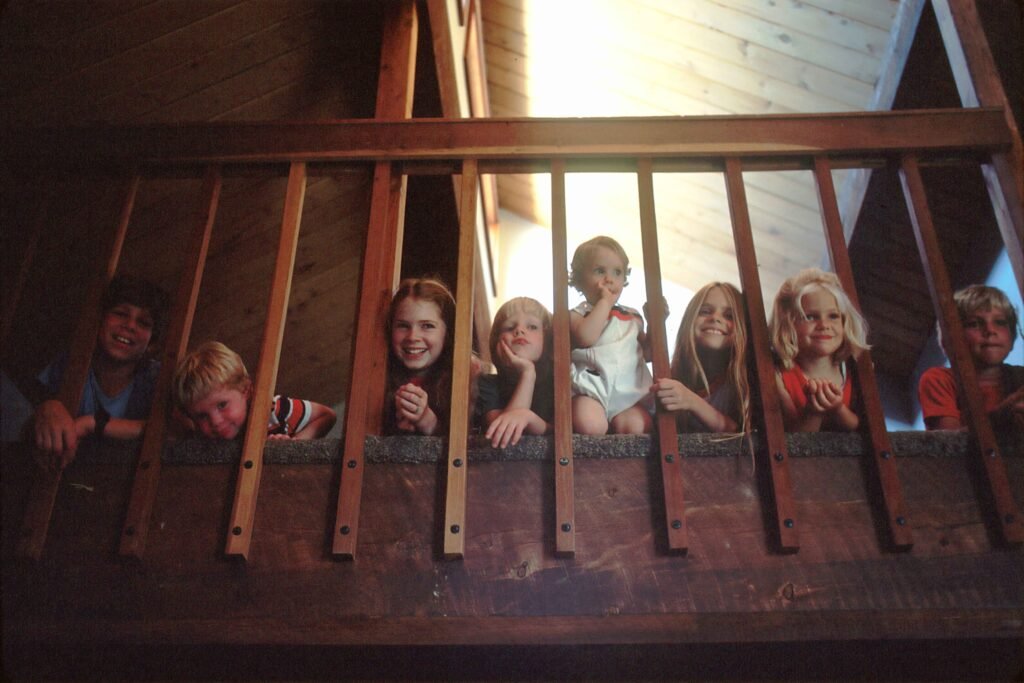
Child and adolescent health represents the most dynamic phases of human growth and development. These periods are characterized by rapid physical, emotional, cognitive, and social changes that lay the foundation for the rest of life. Supporting young people during these stages requires a holistic approach that encompasses physical well-being, mental resilience, social connections, and emotional health.
At [Your Children’s Hospital Name], we are committed to understanding and addressing the unique needs of children and adolescents. This guide serves as a comprehensive resource for families, educators, and healthcare providers, covering essential aspects of growth, health, and well-being.
Chapter 1: Understanding the Stages of Development in Child and Adolescent Health
The journey from infancy to adulthood is a complex and fascinating process, with each stage of development presenting unique milestones and challenges. Below, we delve into these stages to provide a deeper understanding.
1.1 Infancy (0–1 year): The Foundation of Life
Infancy is a period of remarkable transformation, laying the groundwork for all future growth and development. In the first year of life:
-
A baby’s brain doubles in size, forming millions of neural connections essential for learning, memory, and sensory processing.
-
Physical milestones—such as holding the head up, rolling over, sitting, crawling, and eventually walking—mark the rapid progression of motor skills.
-
Emotional and social bonds begin to form through caregiver interaction, eye contact, and soothing physical touch, creating a foundation of trust and security.
These early developments are critical to long-term outcomes and serve as the starting point for promoting child and adolescent health.
Key Priorities for This Stage:
-
Nutrition: Proper feeding is essential. Breast milk or formula offers critical nutrients and antibodies. Introducing solid foods around 6 months should be guided by pediatric recommendations to support healthy growth.
-
Immunizations: Timely vaccinations guard against preventable diseases such as hepatitis B, polio, rotavirus, diphtheria, whooping cough, and more—an essential part of early child and adolescent health strategies.
-
Stimulation and Interaction: Singing, reading aloud, tummy time, and interactive play help develop the baby’s sensory skills, cognitive functions, and emotional awareness.
-
Sleep and Routine: Establishing a consistent sleep routine helps regulate the infant’s biological rhythms and supports brain development.
-
Parental Well-being: Supporting caregivers with resources, guidance, and mental health care is a vital part of promoting holistic child and adolescent health starting from birth.
1.2 Early Childhood (1–5 years): Exploring the World
Early childhood is a vibrant stage filled with exploration, curiosity, and rapid development. As children transition from toddlers to preschoolers, they begin to understand their environment, assert independence, and build foundational life skills. This period marks significant growth in language acquisition, motor skills, emotional expression, and cognitive development.
Children start asking questions, engaging in imaginative play, and forming relationships outside the home. These early interactions are crucial to shaping personality, behavior, and learning styles—key components of lifelong well-being and child and adolescent health.
Key Priorities for This Stage:
-
Nutrition: Offer a colorful variety of fruits, vegetables, proteins, and whole grains to build healthy eating habits early on. Avoid excess sugar and processed foods, which can impact growth and energy levels.
-
Safety: As mobility increases, so does the risk of injury. Secure furniture, use car seats properly, and supervise water play. Safety education during this stage supports overall child and adolescent health by reducing preventable accidents.
-
Language and Learning: Read together daily, ask open-ended questions, and encourage storytelling to build vocabulary and communication skills.
-
Social Skills and Emotional Development: Group play, preschool interactions, and shared activities like singing or crafting help children learn empathy, cooperation, and conflict resolution.
-
Routine and Structure: Predictable routines—bedtime, meals, and play—help children feel secure and foster self-regulation.
-
Health Check-ups and Monitoring: Regular pediatric visits allow for early detection of developmental delays or concerns, reinforcing the long-term goals of child and adolescent health.
1.3 Middle Childhood (6–12 years): Building Skills and Independence
Middle childhood is a critical stage where children develop a stronger sense of self, expand their knowledge, and build deeper social relationships. Academic learning becomes more structured, and children start to develop personal interests, routines, and responsibilities.
They begin to grasp abstract thinking, time management, and emotional control, all of which contribute to self-discipline and goal-setting. Encouraging positive habits during this stage plays a pivotal role in shaping long-term child and adolescent health.
Key Priorities for This Stage:
-
Education: Engage with your child’s schooling by supporting homework, attending parent-teacher conferences, and encouraging reading at home. Early intervention in learning difficulties is essential for academic success and mental well-being.
-
Hobbies and Skill Building: Whether it’s joining a soccer team, learning an instrument, or taking up art, extracurricular activities foster self-confidence, teamwork, and discipline.
-
Physical Activity and Health: Regular exercise is key to maintaining a healthy weight, improving mood, and building strong bones and muscles. These habits are core components of child and adolescent health.
-
Social Development: Friendships become more meaningful, and peer acceptance grows in importance. Teaching empathy, cooperation, and problem-solving is vital.
-
Health Literacy: Introduce basic health education—such as hygiene practices, balanced nutrition, and the importance of sleep—to help children make informed choices, laying the foundation for lifelong child and adolescent health awareness.
1.4 Adolescence (13–18 years): The Bridge to Adulthood
Adolescence is a transformative phase, marked by rapid physical growth, hormonal changes, and emotional evolution. Teens begin to form their identity, test boundaries, and develop personal values. This journey toward independence often comes with complex challenges and a heightened need for guidance, making it one of the most vital stages in supporting child and adolescent health.
Key Challenges and Priorities:
-
Peer Pressure and Identity: Adolescents may struggle to balance individuality with the desire to fit in. Helping them build resilience and assertive communication skills empowers them to make healthy decisions.
-
Mental Health: With increasing social, academic, and personal pressures, teens are vulnerable to mental health issues like anxiety, depression, and low self-esteem. Open communication and access to mental health resources are essential components of child and adolescent health.
-
Academic Pressure: High expectations can create stress. Encourage time management, realistic goal-setting, and emotional regulation techniques to manage workloads effectively.
-
Sexual Health and Safety: As adolescents navigate sexual maturity, education around consent, contraception, and healthy relationships is crucial. These conversations are a core part of promoting responsible child and adolescent health.
-
Substance Use Prevention: Equip teens with the knowledge and confidence to avoid harmful substances. Early education on risks can prevent long-term consequences.
-
Supportive Relationships: Trusted adults—whether parents, teachers, or mentors—play a key role in promoting emotional safety and well-rounded development, ensuring a stable path in child and adolescent health during these pivotal years.

2.1 Nutrition: The Building Blocks of Growth
Proper nutrition is a cornerstone of child and adolescent health, playing a crucial role in brain development, energy levels, immune function, and physical growth. A well-nourished child is better equipped to succeed in school, enjoy physical activity, and build healthy habits that last a lifetime.
Age-Specific Nutritional Needs:
-
For Infants: Exclusive breastfeeding is recommended for the first six months of life, providing the ideal mix of nutrients, antibodies, and bonding. Around six months, solid foods can be gradually introduced while continuing breastfeeding.
-
For Children and Adolescents: A balanced diet should include a variety of fruits, vegetables, whole grains, lean proteins, and healthy fats. Consistent hydration and limited intake of sugar and processed foods are key to maintaining optimal child and adolescent health.
Common Nutritional Challenges & Solutions:
-
Picky Eating:
Many young children resist trying new foods, which can lead to nutritional gaps. Caregivers can use creative meal presentations, colorful plates, and involve children in cooking to make eating an engaging experience. Supporting diverse food experiences strengthens child and adolescent health by expanding nutritional variety. -
Obesity and Overweight:
With sedentary lifestyles and the easy availability of high-calorie foods, obesity is a growing concern in child and adolescent health. Encourage active play, limit screen time, and focus on portion control. Schools and families play a joint role in reinforcing physical activity as a daily routine. -
Nutrient Deficiencies:
Deficiencies in iron, calcium, vitamin D, and B-complex vitamins are common and can impact cognitive development, bone strength, and energy levels. Regular checkups and mindful meal planning are essential strategies in child and adolescent health to prevent and address these issues.
Additional Nutritional Priorities:
-
Meal Timing: Regular mealtimes encourage metabolism regulation and prevent overeating.
-
School Lunches: Nutritious packed lunches or improved cafeteria offerings can dramatically improve daily nutrient intake and enhance concentration in school.
-
Cultural Awareness: Respecting cultural and family dietary practices while ensuring nutritional balance is vital in promoting inclusive child and adolescent health strategies.
-
Supplements: In some cases, vitamin supplements may be recommended by healthcare providers to support child and adolescent health, particularly when dietary sources are insufficient.
2.2 Exercise and Play
Physical activity is essential not only for building strong muscles and bones but also for supporting cardiovascular fitness, emotional balance, and brain development. Active children tend to sleep better, concentrate more effectively in school, and show improved mood and social skills. Exercise is a foundational element of child and adolescent health, helping to prevent obesity, manage stress, and develop lifelong habits.
Recommendations by Age:
-
Infants: Supervised tummy time promotes motor development, muscle control, and early coordination—setting the stage for crawling, sitting, and walking. Even at this early stage, movement supports the goals of child and adolescent health.
-
Young Children (1–5 years): Engage children in unstructured, imaginative play like running, jumping, dancing, and outdoor games. These activities foster creativity while strengthening muscles and endurance.
-
Older Children & Adolescents (6–18 years): Encourage at least 60 minutes of moderate to vigorous physical activity each day. Sports, biking, swimming, martial arts, or structured fitness routines promote discipline, teamwork, and cardiovascular fitness—vital components of long-term child and adolescent health.
2.3 Sleep: A Vital Component
Sleep is as important to growth and development as nutrition and exercise. It allows the body to repair itself, supports brain function, and helps regulate emotions. Inadequate sleep can lead to behavioral issues, weakened immunity, and poor academic performance—making it a key area of focus in child and adolescent health.
Recommended Sleep Durations:
-
Infants (0–12 months): 14–17 hours per day, including naps.
-
Children (3–5 years): 10–13 hours per day.
-
Teenagers (13–18 years): 8–10 hours per night.
Tips for Healthy Sleep Habits:
-
Establish consistent bedtime and wake-up routines, even on weekends.
-
Create a calming bedtime environment—dim lights, quiet activities, and a cool room.
-
Avoid caffeine and limit screen time at least one hour before bed to support natural sleep rhythms.
Supporting healthy sleep patterns is an often overlooked yet crucial part of promoting balanced child and adolescent health.
2.4 Preventive Health: Vaccinations and Screenings
Preventive care is at the heart of maintaining good child and adolescent health. Routine medical visits help track growth, identify concerns early, and prevent diseases before they start. By prioritizing screenings and immunizations, caregivers and healthcare providers lay the groundwork for a healthy future.
Essential Preventive Measures:
-
Vaccinations: Following the recommended immunization schedule protects children from serious illnesses like measles, mumps, hepatitis, polio, and HPV. Immunization is one of the most effective public health tools in safeguarding child and adolescent health.
-
Annual Health Check-ups: These visits help monitor height, weight, body mass index (BMI), and developmental milestones, allowing for early detection of any concerns related to physical or emotional well-being.
-
Vision and Hearing Screenings: Early detection of sensory impairments allows for timely interventions that support academic success and social development—an integral part of comprehensive child and adolescent health care.

Chapter 3: Supporting Mental and Emotional Health
Emotional and mental health is the cornerstone of resilience and self-confidence. Supporting young people in this area requires understanding, empathy, and access to resources.
3.1 Identifying Mental Health Challenges
Common mental health concerns among children and adolescents include:
- Anxiety Disorders: Characterized by excessive worry or fear.
- Depression: Marked by persistent sadness and loss of interest.
- ADHD: Involves difficulties with attention and impulse control.
3.2 Promoting Emotional Well-Being
Caregivers can support emotional health by:
- Encouraging open communication about feelings.
- Providing reassurance and validation during stressful situations.
- Seeking professional help when needed.
3.3 Building Positive Coping Mechanisms
Techniques for managing stress include:
- Practicing mindfulness and relaxation exercises.
- Encouraging regular physical activity to improve mood.
- Establishing a strong support network of friends and family.
Chapter 4: Common Health Concerns
From minor illnesses to chronic conditions, children and adolescents face a variety of health challenges. Early intervention and comprehensive care are key.
4.1 Respiratory Infections
Conditions like colds, flu, and asthma are common during childhood. Preventive measures include:
- Teaching proper handwashing techniques.
- Keeping the home environment smoke-free.
4.2 Allergies
Food and environmental allergies are increasingly prevalent. Identifying triggers and having an action plan can prevent severe reactions.
4.3 Dental Health
Regular dental check-ups and proper oral hygiene practices, such as brushing and flossing, prevent cavities and gum disease.
Chapter 5: The Role of Community in Health
Health is not limited to hospitals—it thrives in schools, homes, and neighborhoods. Collaboration among families, educators, healthcare providers, and community organizations creates a support network for young people.
5.1 School-Based Programs
Initiatives like health education, counseling services, and fitness activities ensure that schools contribute to overall well-being.
5.2 Community Engagement
Local organizations can offer workshops, recreational activities, and resources that promote health and development.
Chapter 6: Digital Well-being in the Modern Age
In today’s digital era, children and adolescents are growing up immersed in technology. While technology offers immense benefits, it also brings challenges that need careful navigation.
6.1 Balancing Screen Time Excessive screen use can impact physical and mental health. Recommendations include:
- For Young Children (under 5 years): Limit screen time to no more than one hour per day of high-quality programming.
- For Older Children and Adolescents: Encourage productive screen time (e.g., educational activities) and set time limits for entertainment media.
6.2 Fostering Digital Literacy Teaching children how to engage with technology responsibly is essential:
- Educate them about online safety, including protecting personal information.
- Promote critical thinking to evaluate the accuracy and credibility of online content.
6.3 Mental Health and Social Media Social media can both connect and stress young people. Key strategies include:
- Helping teenagers understand the curated nature of online content to reduce comparison-induced anxiety.
- Encouraging open dialogue about cyberbullying and online peer pressure.
Chapter 7: Nurturing Creativity and Lifelong Learning
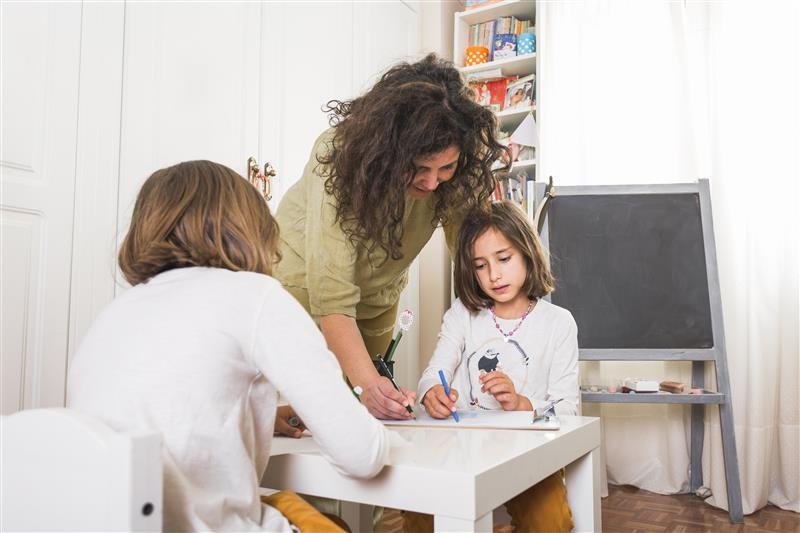
Creativity plays a critical role in cognitive development and problem-solving abilities. Encouraging creative pursuits nurtures curiosity and resilience.
7.1 Incorporating Creativity into Daily Life
- Provide access to art supplies, musical instruments, or building materials.
- Encourage imaginative play and storytelling for young children.
- Introduce older children to hobbies like photography, coding, or writing.
7.2 Fostering a Love for Learning Instill a growth mindset by:
- Celebrating effort over results to build confidence.
- Encouraging exploration of diverse interests and subjects.
Chapter 8: Navigating Cultural and Socioeconomic Differences
Recognizing and respecting diversity is key to raising compassionate, well-rounded individuals.
8.1 Cultural Awareness
- Celebrate festivals, traditions, and cuisines from different cultures to broaden perspectives.
- Encourage open conversations about the importance of inclusivity and respect.
8.2 Addressing Socioeconomic Challenges
- Support access to basic needs like nutritious meals and healthcare through community resources.
- Advocate for equal educational opportunities to close achievement gaps.
Conclusion: Shaping a Healthier Future
The health and well-being of children and adolescents are not just individual or family responsibilities—they are a shared societal commitment. Every interaction, whether at home, in schools, or within the community, plays a pivotal role in shaping young lives. By fostering collaboration, raising awareness, and providing holistic care, we empower the next generation to thrive.
To build a healthier future, we must act collectively:
- Empower Families: Equip parents and caregivers with the knowledge and resources needed to support physical, emotional, and cognitive development. Initiatives such as parenting workshops, mental health resources, and accessible healthcare ensure that no child is left behind.
- Strengthen Education Systems: Schools must be more than institutions of learning—they must be hubs for health promotion and emotional growth. By integrating comprehensive health education, counseling services, and extracurricular programs, we prepare young people to navigate life’s challenges.
- Engage Communities: Community organizations, local leaders, and healthcare providers should work together to create safe, nurturing environments. Partnerships that promote recreational activities, cultural appreciation, and inclusivity lay the groundwork for strong social networks.
- Leverage Technology Responsibly: As technology becomes an integral part of our lives, we must harness its potential to educate and connect, while ensuring digital well-being for young users. Innovative tools and platforms can enhance learning, foster creativity, and provide critical mental health support.
- Advocate for Policy Changes: Governments and policymakers play an essential role in creating equitable access to healthcare, education, and nutrition. Advocacy for initiatives like universal vaccinations, school meal programs, and mental health services is vital to ensuring a healthier future for all children.
Together, we hold the power to shape a world where every child and adolescent is given the opportunity to grow, learn, and lead fulfilling lives. By nurturing the potential within each individual, we also lay the foundation for a brighter, more compassionate, and resilient society. Let us embrace this shared responsibility with determination and hope, for the children of today are the architects of tomorrow.