



Introduction
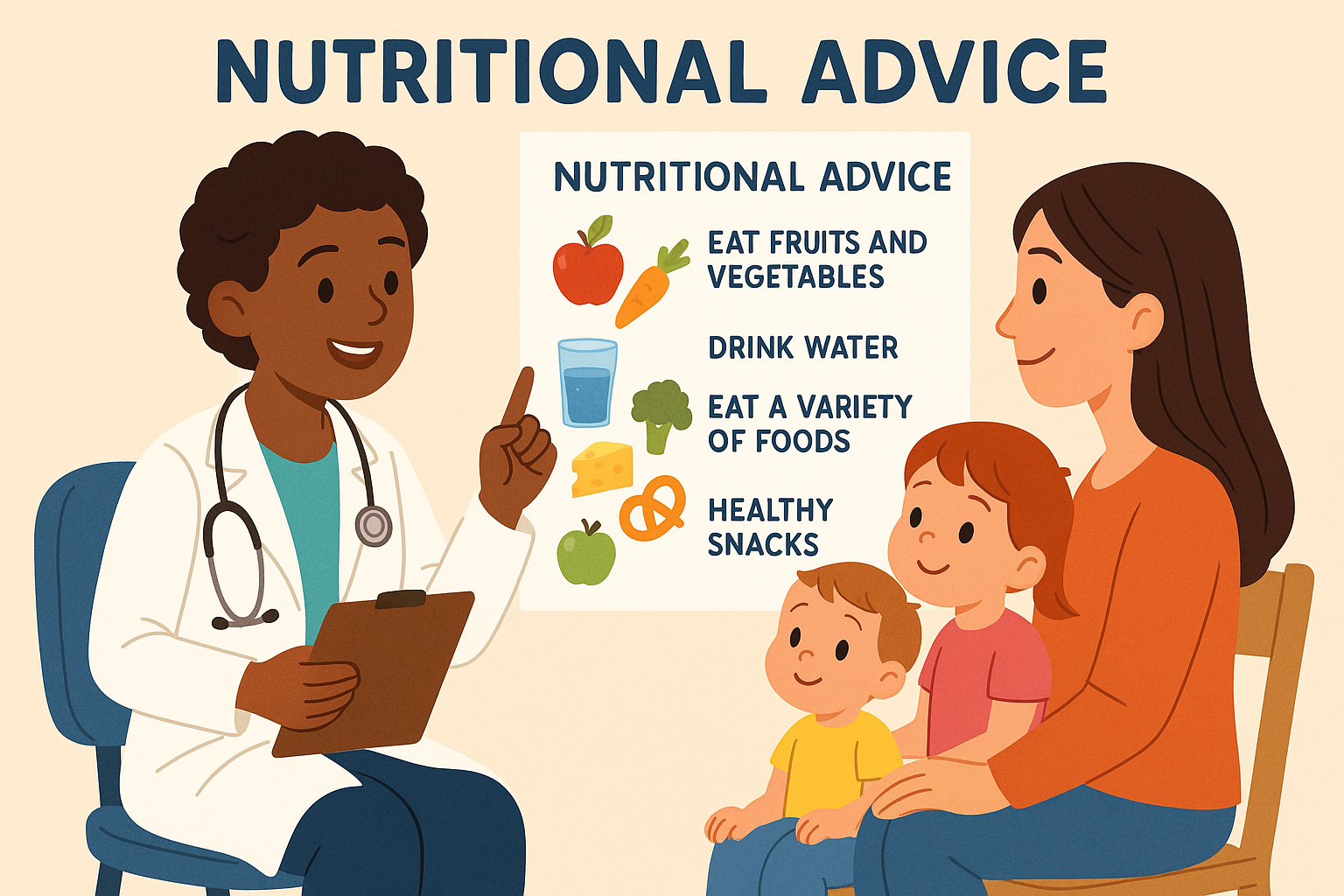
Childhood is a pivotal stage in life, marked by rapid physical growth, cognitive development, and increasing social interaction. During this formative period, children require a balanced intake of nutrients to support their evolving physiological and psychological needs. Nutrition, as the cornerstone of a child’s health and development, is not merely about food intake—it is about offering the right nutritional advice at the right time to ensure optimal growth and well-being.
Adequate nutrition during childhood lays the groundwork for a healthier, more productive adulthood. It fuels brain development, boosts immunity, builds strong bones and muscles, and supports emotional resilience. On the other hand, poor nutritional choices can lead to a spectrum of health problems. The repercussions of inadequate or imbalanced nutrition are profound and long-lasting, often extending well beyond childhood. This is where timely and accurate nutritional advice becomes critical.
Malnutrition, in all its forms, is a pressing global issue. It manifests as undernutrition (including wasting and stunting), overnutrition (such as childhood obesity), and micronutrient deficiencies (like lack of iron, iodine, or vitamin A). Each form presents unique risks—ranging from impaired physical and mental development to increased vulnerability to infections and chronic diseases such as type 2 diabetes and cardiovascular disorders. Effective nutritional advice can help prevent and manage these conditions, improving quality of life and reducing the long-term burden on healthcare systems.
According to the World Health Organization (WHO), about 22% of children under the age of five are stunted due to chronic undernutrition, while over 39 million children are overweight. These figures underscore the urgent need for targeted nutritional advice and intervention programs that address both ends of the malnutrition spectrum.
In pediatric care hospitals, nutritional assessment plays a foundational role in health management. Through regular monitoring, healthcare providers can identify growth abnormalities, detect nutritional imbalances early, and implement evidence-based interventions. This involves more than just recording weight and height; it includes a comprehensive understanding of dietary habits, socio-economic factors, and potential underlying health conditions. Nutritional advice in clinical settings must be tailored, practical, and sensitive to the unique needs of each child and their family.
Providing nutritional advice in hospital settings extends to both prevention and treatment. For children dealing with chronic conditions like cystic fibrosis, diabetes, or gastrointestinal disorders, individualized nutritional advice can significantly enhance treatment outcomes and quality of life. Moreover, empowering parents and caregivers with accurate nutritional advice fosters healthier food environments at home, reinforcing the benefits of clinical care.
This blog offers an in-depth look into the science and application of nutritional assessment, shedding light on its essential role in pediatric healthcare. It also emphasizes how effective nutritional advice, delivered consistently and compassionately, can transform lives. As we explore the tools, techniques, and case-based applications of nutritional assessments, one theme remains constant: the power of timely and informed nutritional advice in shaping a healthier generation.
From screening for risk factors to guiding dietary planning, nutritional advice must be a continuous and dynamic process. It should evolve with the child’s age, growth patterns, and health status. Furthermore, public health campaigns and school-based nutrition programs should be aligned with expert nutritional advice to reach broader populations and foster sustainable healthy habits from an early age.
Ultimately, the goal is to create a supportive ecosystem where healthcare providers, parents, and communities collaborate—using accurate nutritional advice as a central tool—to ensure that every child has the opportunity to thrive.
What is Nutritional Assessment?
Nutritional assessment is a structured and dynamic process that evaluates an individual’s dietary health to uncover potential deficiencies, malnutrition, or risks tied to eating habits and nutrient intake. In children especially, this process is crucial for ensuring proper growth, development, and disease prevention. By combining insights from physical measurements, lab tests, clinical signs, diet analysis, and environmental factors, a full picture of a child’s nutritional wellbeing is created.
Key Features of a Nutritional Assessment
Comprehensive Viewpoint: Blends biological, lifestyle, and environmental information to understand health from all angles.
Tailored Evaluation: Adapted to the individual—whether they’re a toddler, teen, or managing a specific medical condition.
Data-Driven Insight: Relies on scientific benchmarks and validated tools to guide dietary and medical decisions.
Dual Focus—Prevention & Treatment: Identifies emerging risks early and supports timely, effective interventions.
Primary Goals
Determine Nutritional Health: Classify whether the child is undernourished, adequately nourished, or overnourished.
Detect Specific Nutrient Gaps: Pinpoint shortages in key nutrients like iron, calcium, vitamin A, or zinc.
Track Growth Patterns: Monitor trends in physical development over time to ensure healthy progress.
Inform Action Plans: Use the assessment findings to create personalized dietary or medical plans.
Reduce Long-Term Health Risks: Address potential complications like stunting, obesity, anemia, or delayed development.
Essential Components of Nutritional Assessment
Nutritional assessments are built on a multi-layered foundation—each layer offering insights from a different angle:
1. Anthropometric Data
This involves measuring the body to assess growth, development, and body composition.
Height & Weight: Crucial for calculating age-appropriate growth indicators.
BMI-for-Age: Categorizes children into percentile ranges indicating nutritional status.
Head Circumference: Especially important during the first two years of life to track brain growth.
Skinfold Measurements: Estimate body fat for a better understanding of energy reserves.
MUAC (Mid-Upper Arm Circumference): A quick screening tool for detecting acute malnutrition, especially in resource-limited settings.
2. Biochemical Testing
Laboratory tests provide internal clues about nutritional status.
Vitamin Profiles: Assess levels of essential vitamins like D, B12, and folate.
Protein Markers (e.g., Albumin): Reflect the body’s protein reserves and nutritional state.
Blood Sugar & Lipid Levels: Uncover risks for metabolic disorders like diabetes or hyperlipidemia.
Mineral Analysis: Tests for iodine, zinc, and calcium provide insight into immunity and bone health.
3. Clinical Observations
A physical exam can reveal outward signs of nutritional problems.
Hair & Skin: Dull, brittle hair or dry skin may signal nutrient shortfalls.
Eyes: Vision issues or pale inner eyelids may indicate vitamin A or iron deficiencies.
Mouth, Gums, and Tongue: Inflammation, ulcers, or discoloration can reflect deficiencies in vitamins B and C.
Muscle & Fat Stores: Visual loss of muscle mass or subcutaneous fat may suggest protein-energy malnutrition.
4. Dietary Analysis
Examines what the child eats—and how it stacks up against nutritional needs.
24-Hour Food Recall: A detailed summary of all food and beverages consumed in a single day.
Food Frequency Questionnaire (FFQ): Evaluates how often specific types of foods are consumed over a longer period.
Dietary Diversity Score (DDS): Measures variety across different food groups to determine micronutrient adequacy.
Portion Size & Meal Timing: Assessed to understand calorie intake and energy distribution throughout the day.
5. Environmental & Social Factors
Context matters. These influences shape the child’s access to and relationship with food.
Food Security: Is there consistent access to nutritious meals at home?
Parental Knowledge & Income: Socioeconomic conditions directly affect dietary quality.
Cultural Beliefs: Traditional feeding practices or food taboos may influence diet.
Household Dynamics: Who makes food decisions? What are mealtime routines like?
Mental Health & Behavior: Stress, emotional wellbeing, or eating disorders can impact dietary intake and absorption.
Advanced Tools & Modern Approaches
Growth Monitoring Charts: Track development using standardized tools (e.g., WHO or CDC growth curves).
Bioelectrical Impedance: Measures muscle and fat mass to evaluate body composition.
Mobile Nutrition Apps: Support accurate food tracking and personalized dietary analysis.
DEXA Scans: Offer high-precision assessment of bone density and body fat—mainly used in clinical research or advanced care.
Wrapping It Up
Nutritional assessment is much more than a checklist—it’s a lifesaving tool that bridges the gap between data and action. By using a multifaceted approach, it enables caregivers, health professionals, and nutritionists to identify risks early, personalize care plans, and support the full developmental potential of every child.

Why Nutritional Assessment Matters in Pediatric Hospitals
Pediatric hospitals cater to children with diverse health needs, including acute illnesses, chronic diseases, developmental disorders, and congenital anomalies. In such settings, nutritional assessment plays a pivotal role in comprehensive care. It supports children by identifying their nutritional needs, detecting deficiencies, and guiding tailored interventions. Here’s why it matters:
1. Addressing Malnutrition
Malnutrition—whether due to undernutrition or overnutrition—is a silent epidemic with far-reaching consequences for children’s health. Pediatric patients are particularly vulnerable, and nutritional assessment allows for early detection and timely intervention.
Stunting and Wasting: These indicators of chronic or acute undernutrition reflect inadequate dietary intake or underlying health conditions. Early identification can prevent long-term growth deficits and developmental delays.
Micronutrient Deficiencies: Deficiencies in iron, zinc, iodine, vitamin A, and vitamin D are common among hospitalized children and can exacerbate illness, delay healing, and impair cognitive development.
Childhood Obesity: Rising rates of obesity are often linked to high-calorie, nutrient-poor diets and limited physical activity. Nutritional assessment helps identify at-risk children and introduce early lifestyle interventions.
2. Enhancing Immunity and Recovery
Children with compromised nutrition are more prone to infections and prolonged recovery periods. A thorough nutritional assessment can:
Identify nutrient gaps that weaken the immune system.
Guide supplementation and dietary adjustments to strengthen resistance to illness.
Reduce the frequency and duration of hospitalizations by improving healing outcomes.
3. Supporting Growth and Development
The early years of a child’s life play a vital role in shaping both their physical growth and mental development. Even short-term nutritional deficiencies during this period can have lasting effects.
Growth Monitoring: Regular nutritional assessments ensure that children are on track with height, weight, and head circumference milestones.
Brain Development: Adequate intake of essential fatty acids, iron, and B vitamins is linked to better memory, learning ability, and attention span.
4. Personalized Nutrition for Chronic Conditions
Children with chronic illnesses require tailored nutritional strategies to manage symptoms, improve quality of life, and prevent complications.
Diabetes: Nutritional assessment plays a key role in tailoring carbohydrate intake, optimizing meal timing, and fine-tuning insulin therapy for effective diabetes management.
Cystic Fibrosis: High-calorie, high-protein diets and pancreatic enzyme replacement therapy are guided by ongoing nutritional evaluations.
Renal Disease or Gastrointestinal Disorders: Specialized dietary plans help manage electrolyte imbalances, nutrient malabsorption, or fluid restrictions.
5. Supporting Mental and Emotional Health
There is growing evidence linking diet to mental health outcomes in children.
Nutrient Deficiencies: Low levels of omega-3 fatty acids, B vitamins, iron, zinc, and vitamin D have been associated with mood disorders, anxiety, and learning difficulties.
Behavior and Cognition: Balanced nutrition can improve focus, behavior regulation, and academic performance, especially in children with ADHD or autism spectrum disorders.
6. Guiding Nutritional Interventions and Education
Nutritional assessments provide the data needed to implement effective, evidence-based interventions:
Feeding Support: For children with feeding difficulties, assessments inform the need for speech therapy, occupational therapy, or tube feeding.
Parental Education: Caregivers gain insights into age-appropriate feeding practices, portion sizes, and balanced meal planning.
Interdisciplinary Collaboration: Dietitians work closely with pediatricians, nurses, and therapists to provide holistic care.
7. Preventing Hospital-Associated Undernutrition
Hospital stays can unintentionally lead to undernutrition due to stress, medication side effects, or reduced appetite. Routine nutritional assessments help:
Monitor food intake during hospitalization.
Customize dishes to suit individual tastes, dietary restrictions, or health requirements.
Ensure continuity of care with discharge planning and follow-up nutrition services.
Case Studies: Real-Life Impact
Case 1: Combating Severe Acute Malnutrition
A 3-year-old child was brought to a community health center with signs of severe wasting, lethargy, and recurrent infections. A detailed nutritional assessment identified inadequate protein and calorie intake due to food insecurity at home. The intervention included enrollment in a therapeutic feeding program that provided ready-to-use therapeutic foods (RUTF), micronutrient supplements, and regular health monitoring. Additionally, counseling sessions educated the parents on affordable, locally available nutrient-rich foods and proper feeding practices. Over six months, the child exhibited significant weight gain, improved immunity, and reached appropriate developmental milestones for age.
Case 2: Managing Obesity in a Pre-Teen
An 11-year-old girl, referred by her school health program, had a BMI in the 98th percentile and exhibited signs of emotional distress, including withdrawal from peers due to bullying. A dietary recall revealed frequent consumption of processed snacks, sugary drinks, and irregular meals. A multidisciplinary intervention was implemented, combining personalized nutrition education, structured meal planning, and increased physical activity through dance and recreational sports. Emotional well-being was addressed through counseling, peer support groups, and body positivity workshops. Within a year, the girl achieved improved weight management, better metabolic health, and increased self-confidence, participating more actively in school and social activities.
Challenges in Nutritional Assessment
Despite its importance, nutritional assessment often encounters multiple challenges:
Cultural Sensitivity:
Tailoring interventions to respect cultural norms can be difficult. Traditional beliefs around body image or food taboos may conflict with recommended dietary changes.
Resource Limitations:
In low-resource settings, lack of access to laboratory diagnostics, anthropometric tools, or trained professionals can hinder accurate assessments.
Data Accuracy:
Assessments often rely on self-reporting, which is subject to memory lapses or intentional misreporting. Children may underreport snacking, while parents may unintentionally omit key details.
Stigma and Trust Issues:
Families may perceive an assessment as judgmental or fear labeling, especially when dealing with issues like obesity, undernutrition, or poverty, making them less willing to participate.
Time Constraints:
Health workers may have limited time to conduct in-depth assessments, especially in high-volume clinics or during emergency relief efforts.
The Future of Nutritional Assessment
With advancements in technology and science, the future of nutritional assessment is becoming more dynamic, inclusive, and precise:
Nutrigenomics:
Emerging research allows for personalized nutrition plans based on an individual’s genetic makeup. This can optimize diet for disease prevention, weight management, and enhanced performance.
Artificial Intelligence (AI):
AI-powered tools can analyze dietary patterns, growth trends, and risk factors across populations. These tools can help predict malnutrition, obesity, and nutrient deficiencies early, improving outcomes.
Telehealth and Mobile Apps:
Digital health platforms enable remote consultations and monitoring. Mobile apps with image recognition can track food intake, offer real-time feedback, and support dietary tracking in remote or underserved areas.
Wearable Devices:
Fitness trackers and smartwatches integrated with nutritional apps can provide real-time data on physical activity, energy expenditure, and hydration, enabling more comprehensive assessments.
Community-Based Approaches:
Integrating community health workers and local influencers in the assessment process builds trust, improves data collection, and ensures culturally appropriate solutions.
Policy and Education Integration:
Embedding nutrition education into school curriculums and public health campaigns can promote lifelong healthy habits, creating a preventative rather than reactive approach.

Conclusion
Nutritional assessment is more than just a diagnostic tool; it is a gateway to ensuring that every child has the opportunity to grow, thrive, and fulfill their potential. As the cornerstone of pediatric care, nutritional assessment integrates science, compassion, and personalized approaches, often beginning with sound nutritional advice tailored to each child’s unique needs.
By identifying deficiencies, promoting optimal growth, and addressing both undernutrition and overnutrition, these assessments often pave the way for targeted nutritional advice that supports healthy development. From infants to adolescents, nutritional advice ensures that children meet key milestones while preventing long-term complications.
The importance of nutritional advice within this framework cannot be overstated. In a world facing malnutrition and obesity, nutritional advice serves as a proactive solution—empowering families and guiding healthcare decisions. Accurate assessments, followed by expert nutritional advice, allow early detection and effective management of nutritional imbalances.
Innovations such as nutrigenomics and artificial intelligence are revolutionizing the way nutritional advice is developed and delivered. AI-powered systems now offer data-driven nutritional advice, enhancing accuracy and personalization. Nutrigenomics enables healthcare professionals to craft nutritional advice based on a child’s genetic makeup, taking personalized care to the next level.
Pediatric hospitals and clinics are ideally positioned to offer continuous nutritional advice as part of routine care. This includes regular assessments and updated nutritional advice as children grow and their needs change. In community settings, outreach programs provide culturally sensitive nutritional advice to underserved populations, ensuring inclusivity.
Parents and caregivers play a vital role by following the nutritional advice given by healthcare providers. Schools too are integral, as they not only provide meals but also disseminate nutritional advice through curriculum and community programs. Ensuring that every touchpoint in a child’s life includes accessible nutritional advice leads to stronger health outcomes.
Socioeconomic factors heavily influence nutrition, making it crucial that nutritional advice considers access, affordability, and cultural relevance. Government initiatives can help amplify the reach of nutritional advice, especially in rural or economically disadvantaged areas. By removing barriers, we increase the impact of nutritional advice on a national scale.
Public health campaigns that include nutritional advice foster community awareness. These campaigns should deliver actionable nutritional advice that is easy to understand and implement. Furthermore, collaboration with educators ensures that children receive consistent nutritional advice both at home and at school.
Research also plays a key role. Evidence-based nutritional advice drives policies and protocols that lead to better health across populations. Investing in studies focused on the long-term effects of early nutritional advice can reshape how societies approach child health.
Healthcare professionals must be trained not only in diagnostics but also in delivering empathetic, clear nutritional advice. The ability to communicate effective nutritional advice can dramatically increase compliance and outcomes. Therefore, continuous education and training in delivering nutritional advice is vital for all pediatric care providers.
By making nutritional advice a routine and respected component of care, we help children reach their full potential. Every check-up, every growth chart, every consultation is an opportunity to reinforce nutritional advice that supports lifelong health.
The future of pediatric care depends on how well we prioritize and implement both nutritional assessments and the nutritional advice that follows. A world where every child receives quality nutritional advice is one that invests in health, education, and equality.
In conclusion, nutritional advice must be recognized not as a one-time recommendation, but as a continuous, evolving tool for empowerment. With the combined efforts of policymakers, clinicians, educators, and families, nutritional advice can become a universal right, shaping a stronger, healthier next generation.