Introduction
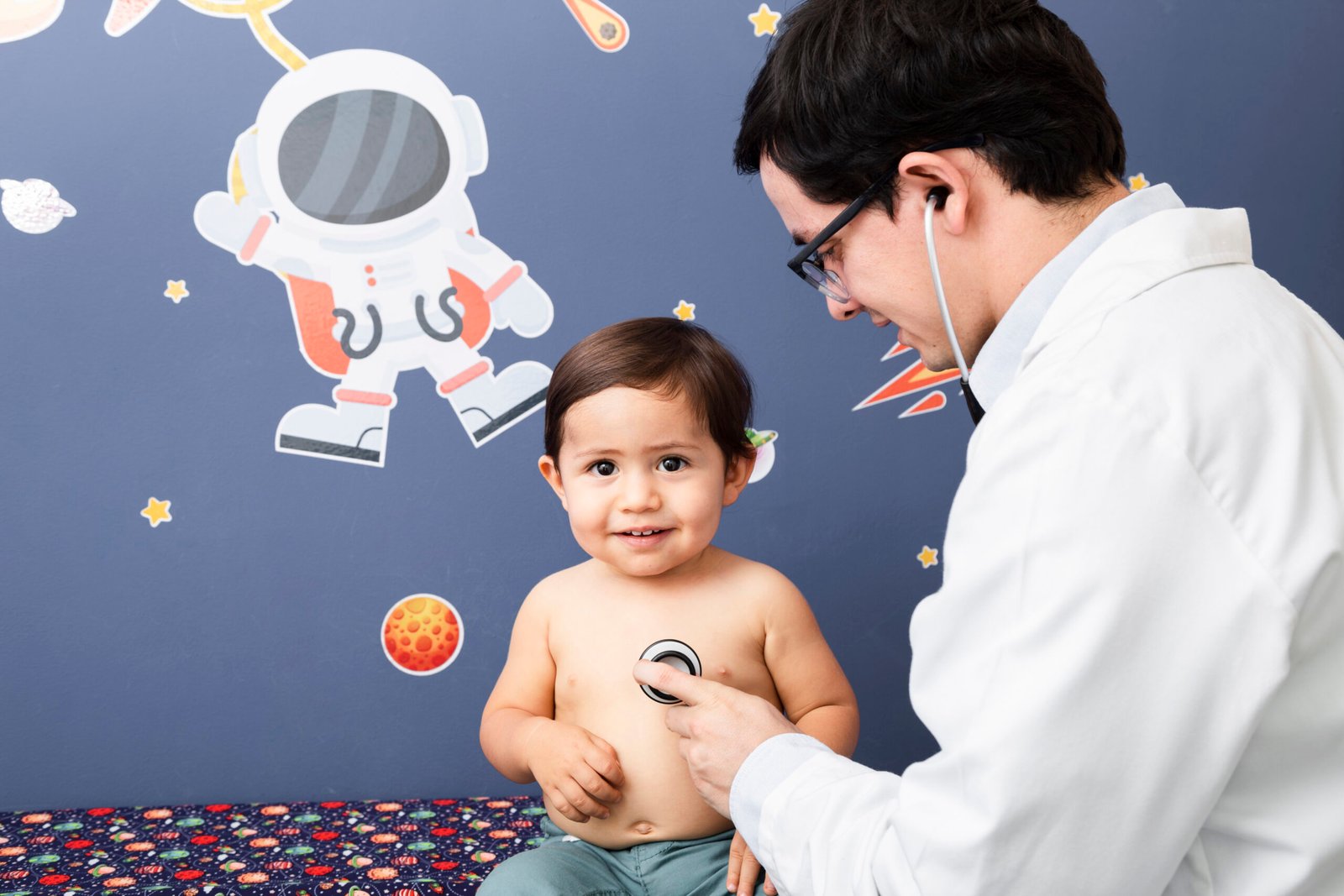
A Well Baby Care Clinic is an essential part of pediatric healthcare that prioritizes preventive care, early childhood development, and parental education. These clinics are dedicated to providing comprehensive services such as routine check-ups, immunizations, nutritional guidance, and developmental screenings. The role of a Well Baby Care Clinic in ensuring the overall well-being of infants and young children cannot be overstated.
In a specialized Children’s Care Hospital, the Well Baby Care Clinic serves as a cornerstone for promoting healthy growth and preventing potential health concerns. By focusing on early detection, the Well Baby Care Clinic allows for timely interventions that significantly improve health outcomes and reduce long-term complications.
Ensuring that babies get the best possible start in life is a shared goal of every parent and healthcare provider. The early years of a child’s life are filled with rapid growth—both physically and mentally. A Well Baby Care Clinic supports this growth through structured, consistent, and well-planned healthcare routines that help identify risks early and ensure that each child meets their developmental milestones.
At a Well Baby Care Clinic, parents receive guidance on best practices for child-rearing, including proper nutrition, hygiene, and safety. The clinics are designed to address parental concerns and provide answers backed by professional pediatric knowledge. Whether it’s questions about breastfeeding, teething, or sleep routines, a Well Baby Care Clinic is a reliable source of support.
Another important function of the Well Baby Care Clinic is monitoring vaccination schedules. Keeping up-to-date with immunizations is critical, and the clinic ensures each child receives vaccines according to age-specific guidelines. In addition, the Well Baby Care Clinic tracks physical, emotional, and cognitive development through regular screenings.
The Well Baby Care Clinic also serves as an educational hub. Here, parents can attend sessions or workshops that build their understanding of infant safety, early learning techniques, and emotional bonding. These resources are especially valuable for first-time parents, providing reassurance and knowledge in a supportive environment.
Parents benefit from the Well Baby Care Clinic not just through medical care, but also through empowerment. By learning how to care for their baby effectively, they gain confidence and peace of mind. Many Well Baby Care Clinics also facilitate community bonding by offering group sessions where parents can connect and share experiences.
The comprehensive services of a Well Baby Care Clinic go beyond simple health check-ups. These clinics aim to nurture all aspects of a child’s growth—from physical development to emotional intelligence. With expert advice always available, parents can make informed decisions about their child’s upbringing.
Every visit to a Well Baby Care Clinic is an opportunity to assess progress, address any emerging concerns, and reinforce positive parenting practices. These visits help build a strong foundation for lifelong health. For families, the Well Baby Care Clinic becomes a trusted partner in the journey of raising a happy and healthy child.
Regular engagement with a Well Baby Care Clinic ensures that any developmental delays or health concerns are caught early. Early detection leads to early treatment, and in many cases, prevents more serious issues down the road. This proactive approach is what makes the Well Baby Care Clinic so valuable in modern pediatric care.
Even emotional support plays a role in the services provided by a Well Baby Care Clinic. Through bonding techniques, mental wellness screenings, and developmental interactions, these clinics contribute significantly to a child’s overall well-being.
This comprehensive guide will explore the importance of well-baby visits, the specific services provided by the Well Baby Care Clinic, and how parents can maximize the benefits of each visit. With the right information, families can take full advantage of what the Well Baby Care Clinic has to offer.
By the end of this blog, readers will appreciate the multifaceted role of a Well Baby Care Clinic. From ensuring physical wellness to fostering emotional and mental growth, the Well Baby Care Clinic is a vital partner in raising a thriving child.
If you’re a new parent or even a seasoned one, making regular appointments at a Well Baby Care Clinic should be a priority. Your child’s health, happiness, and future depend on the choices you make today—and choosing a Well Baby Care Clinic is one of the most valuable decisions you can make.
Importance of well Baby Care Clinics
Children undergo rapid physical, cognitive, and emotional development in their early years. Regular visits to a Well Baby Care Clinic help monitor and support this growth. These clinics play a vital role in ensuring that babies receive the medical attention they need in the most crucial stages of their lives. The key objectives of well-baby visits include:
- Early Detection of Health Issues: Routine check-ups help identify medical conditions before they become severe. Babies and young children may not always show clear signs of illnesses, and some health concerns may develop subtly over time. Regular assessments allow pediatricians to diagnose and treat any underlying conditions before they escalate into serious problems. For example, congenital heart conditions, metabolic disorders, and developmental delays can be detected and managed early, improving long-term health outcomes.
- Preventive Healthcare: Vaccinations, screenings, and nutritional counseling help in disease prevention. Prevention is always better than cure, and Well Baby Care Clinics emphasize immunizations and preventive screenings to ensure that children are safeguarded against potentially dangerous infections and conditions. Preventive care also includes hygiene education, ensuring that parents know how to protect their child from common infections and illnesses.
- Parental Guidance: Clinics offer counseling on child care, feeding, sleep patterns, and overall wellness. Many parents, especially first-time parents, have numerous questions and concerns regarding their child’s health. These clinics serve as an excellent resource to guide parents through every stage of early childhood development. Parents receive guidance on handling issues such as colic, sleep disturbances, and picky eating habits, which can sometimes be overwhelming without proper support.
- Developmental Monitoring: Assessments ensure children meet their age-appropriate milestones. From motor skills to social interactions, pediatricians closely monitor how children progress and intervene early if any developmental delays or concerns arise. Pediatricians evaluate milestones such as crawling, walking, speech development, and cognitive responses to ensure that the child is developing at a healthy pace.
- Building a Healthy Foundation: Establishing good health habits early leads to long-term well-being. The habits and healthcare routines that begin in infancy often set the tone for the child’s health in later years. By starting with a strong foundation, children can grow into healthy adolescents and adults. The importance of early dental care, good nutrition, and physical activity is emphasized in these visits.
Services Provided in a Well Baby Care Clinic
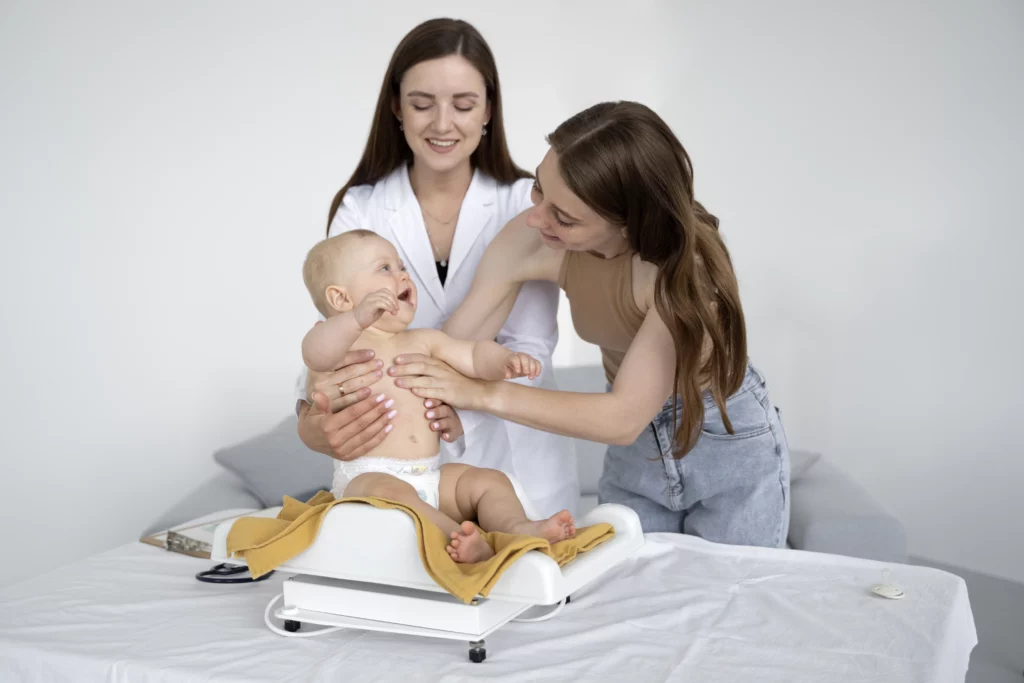
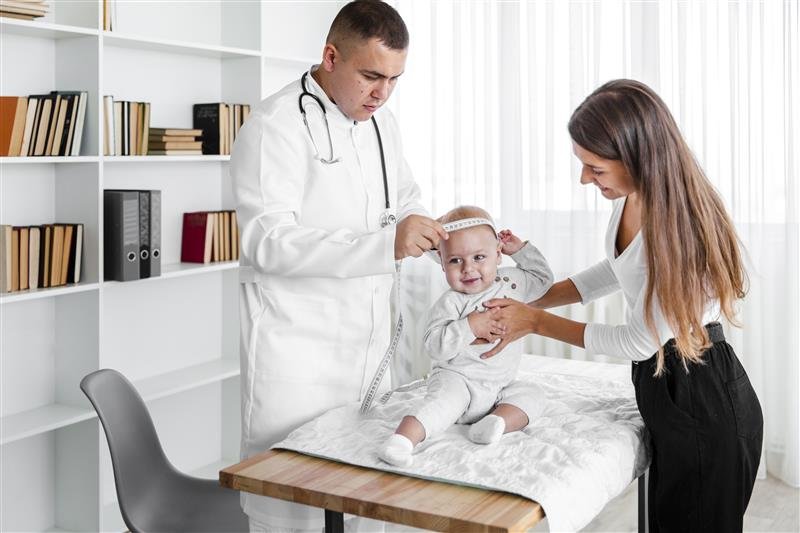
- Routine Pediatric Check-ups: These visits involve monitoring a child’s height, weight, and head circumference to assess growth patterns. Pediatricians also evaluate motor skills, reflexes, and sensory responses. During check-ups, doctors assess vital signs, observe the child’s overall physical development, and ensure that there are no visible or underlying medical concerns.
Regular check-ups are crucial for the early detection of medical issues such as:
- Failure to thrive (poor weight gain or growth)
- Delayed motor skill development
- Heart or lung abnormalities
- Neurological concerns
During these check-ups, pediatricians also discuss topics such as:
- Sleep patterns and routines
- Feeding schedules and challenges
- Behavioral changes
- Parent-child bonding techniques
- Introduction to solid foods and allergies
- Immunization and Vaccination Programs: Vaccination is a cornerstone of preventive healthcare. The clinic follows national immunization schedules to protect children from life-threatening diseases like measles, polio, and whooping cough. Immunizations not only protect individual children but also contribute to herd immunity, reducing the risk of outbreaks in the community.
A comprehensive vaccination schedule includes:
- Birth Vaccinations: Hepatitis B
- 2 Months: DTP, Hib, Hepatitis B, Polio, Rotavirus
- 4 Months: Second doses of DTP, Hib, Hepatitis B, Polio, Rotavirus
- 6 Months: Additional vaccines depending on the country’s guidelines
- 12–18 Months: Measles, Mumps, Rubella (MMR), Chickenpox, Hepatitis A, and booster shots
Pediatricians also address concerns regarding vaccine safety, possible side effects, and myths surrounding vaccinations to ensure parents feel confident in protecting their child’s health.
- Developmental Screening: Doctors assess a child’s social, emotional, and cognitive skills to ensure they are developing appropriately. Early intervention can prevent learning difficulties and behavioral issues. Developmental screenings evaluate:
- Speech and language skills
- Gross and fine motor skills
- Emotional and social behaviors
- Cognitive development
- Response to external stimuli
If a child is showing signs of developmental delays, early intervention strategies can help them catch up with their peers through therapies and tailored guidance.
- Nutritional Counseling: Proper nutrition is essential for a child’s growth. Pediatricians and dietitians guide parents on breastfeeding, formula feeding, weaning, and introducing solid foods. Nutritional counseling covers:
- Breastfeeding benefits and best practices
- Formula feeding recommendations
- Signs of food allergies or intolerances
- Transitioning to solid foods
- Encouraging healthy eating habits
- Portion sizes and meal plans
- Parental Education & Guidance: is the support and training given to parents to help them raise their children effectively, covering child development, discipline, and emotional well-being.
Topics covered include:
- Managing common illnesses like colds and fevers
- Tips on baby-proofing the home
- Proper hygiene practices
- Encouraging early literacy and learning
- Handling teething and oral care
- Vision and Hearing Screening: Early detection of vision or hearing impairments allows for timely interventions, which are crucial for speech and cognitive development. Some warning signs include:
- Delayed speech development
- Lack of response to sounds
- Poor eye tracking or excessive eye rubbing
- Unusual head tilting or eye misalignment
- Oral Health and Teething Support: Parents receive guidance on infant oral hygiene, teething relief, and preventing cavities. Pediatricians recommend age-appropriate dental care and fluoride treatments to strengthen enamel.
- Emotional and Behavioral Assessments: Behavioral specialists evaluate signs of stress, anxiety, or developmental disorders such as autism spectrum disorder (ASD).
Why Early Care Matters
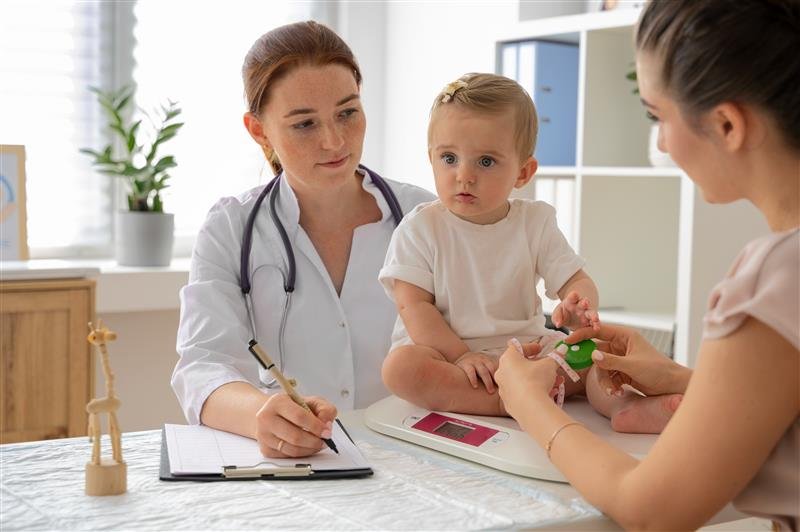
The first few years of a child’s life are marked by rapid growth and development — physically, emotionally, and cognitively. This period sets the foundation for long-term health and well-being. Regular visits to a Well Baby Care Clinic help identify and address any potential health concerns early, before they become more serious. It’s also a time to monitor key milestones, from first words and steps to sensory and social development.
Key Services Offered at a Well Baby Care Clinic
Well Baby Care Clinics offer a comprehensive range of services, including:
-
Routine Health Check-ups: Monitoring growth parameters like weight, height, and head circumference to ensure the child is growing at a healthy rate.
-
Immunizations: Administering vaccines as per national and international immunization schedules to protect against diseases like measles, polio, hepatitis, and more.
-
Developmental Screenings: Assessing motor skills, speech development, cognitive function, and social behavior to catch delays early.
-
Nutritional Counseling: Providing parents with guidance on infant feeding practices, breastfeeding support, weaning, and age-appropriate diets.
-
Parental Education: Offering workshops and one-on-one sessions on child safety, hygiene, sleep training, teething, toilet training, and managing common illnesses.
-
Behavioral Assessments: Observing behavior patterns and offering advice on managing tantrums, sleep disorders, and social interaction issues.
-
Benefits for Children
1. Early Detection of Health Issues:
Regular health screenings during early childhood help identify developmental delays, vision or hearing problems, and other medical conditions at an early stage. Early detection means timely intervention, which can prevent complications and support better long-term outcomes for your child’s health and development.2. Stronger Immunity:
Following a proper vaccination schedule ensures that your child builds immunity against a range of serious infectious diseases like measles, mumps, rubella, polio, and more. Immunizations not only protect your child but also contribute to community immunity, keeping other children safe too.3. Healthy Growth and Development:
Routine check-ups allow healthcare providers to track your child’s growth milestones, nutrition, and overall physical and cognitive development. If there are any concerns, they can be addressed early with the right guidance and support.4. Establishing Healthy Habits:
Early visits to the doctor help children become comfortable with medical environments and promote healthy lifestyle habits from a young age, such as proper hygiene, nutrition, physical activity, and sleep routines.5. Emotional and Behavioral Support:
Pediatric visits also focus on emotional well-being and behavior. Professionals can spot early signs of anxiety, attention difficulties, or social challenges, helping families navigate these issues with professional advice and resources.6. Parent Education and Support:
Regular check-ups provide an opportunity for parents to ask questions and receive guidance on feeding, sleep routines, teething, toilet training, and other common concerns. It builds a strong partnership between parents and healthcare providers.Steady Development: Regular tracking ensures that children are hitting developmental milestones on time.
Benefits for Parents
1. Peace of Mind:
Knowing that your child’s health is monitored by professionals provides invaluable reassurance. Parents can relax, knowing they have expert support if any concerns arise, reducing anxiety during the early stages of parenting.
2. Empowerment Through Knowledge:
Parents become more confident and informed about child-rearing practices. Access to reliable information, expert advice, and ongoing support helps parents make better decisions regarding nutrition, sleep, developmental milestones, and overall well-being.
3. Stronger Parent-Child Bond:
Learning how to interact with and understand your baby’s needs improves bonding and emotional connection. Responsive parenting nurtures a sense of security and love in the child, strengthening the parent-child relationship.
4. Early Detection of Developmental Issues:
Professional monitoring can help identify potential developmental or health concerns early, allowing for timely intervention. This can lead to better long-term outcomes for the child and reduce stress for the parents.
5. Better Sleep and Routine Management:
Support from child health experts can help establish healthy sleep patterns and daily routines for the baby, which in turn improves sleep quality and time management for parents.
6. Access to Community and Support Networks:
Being part of a program or community gives parents the opportunity to connect with other families, share experiences, and build a support network that combats feelings of isolation.
7. Improved Mental and Emotional Well-being:
Regular guidance and reassurance reduce feelings of overwhelm, anxiety, and self-doubt. This leads to a more positive parenting experience and better mental health for both parents.
8. Financial Guidance and Resource Access:
Parents may receive support in accessing health-related resources, subsidies, or services that ease the financial burden of childcare and ensure the child receives comprehensive care.
Making the Most of Your Visit: Practical Tips
-
Keep a Journal: Maintain a notebook or digital record of your baby’s milestones, eating habits, sleep patterns, and any concerns to discuss with the doctor.
-
Ask Questions: Feel free to bring up any concerns you have—whether it’s about feeding habits, sleep patterns, behavior, or your child’s development.
-
Stay Consistent: Stick to your clinic visit schedule. Even if your child seems healthy, these visits are critical for monitoring overall progress.
-
Follow Up: Always act on recommendations or referrals for further evaluation if suggested.
-
Bring Essentials: Pack diapers, extra clothes, feeding supplies, and toys to keep your baby comfortable during the visit.
A Partner in Parenting
Beyond medical care, Well Baby Care Clinics become a trusted partner in parenting. They provide a welcoming space for parents to connect not only with healthcare providers but also with other parents who are navigating similar experiences. These clinics often offer guidance on nutrition, sleep patterns, developmental milestones, breastfeeding, and immunizations, creating a comprehensive support system for families.
Through regular visits, parents build relationships with pediatric professionals who become familiar with their child’s growth and individual needs. This consistency fosters trust and ensures early detection of any developmental or health concerns. Many clinics also offer educational workshops, parenting classes, and access to mental health resources, which are crucial during the emotionally intense stages of early parenthood.
In addition, Well Baby Care Clinics can serve as a safe space to ask questions—no matter how big or small—helping new parents feel empowered and confident in their caregiving journey. By addressing both physical and emotional aspects of child-rearing, these clinics play a vital role in promoting not only child wellness but also parental well-being and community connection.
Conclusion
A Well Baby Care Clinic plays a vital role in safeguarding the health and well-being of infants and young children. These clinics are specially designed to provide comprehensive preventive care, including routine health check-ups, timely immunizations, growth and developmental monitoring, and early detection of potential health or developmental concerns. By offering personalized attention and expert medical evaluation, the clinic ensures each child receives the right care at the right time during their crucial early years.
In addition to medical services, Well Baby Clinics act as a cornerstone of parental education and support. Experienced pediatricians, nurses, and healthcare professionals offer guidance on essential aspects of childcare such as balanced nutrition, breastfeeding support, immunization schedules, safe sleeping practices, emotional bonding, and age-appropriate developmental milestones. These resources are invaluable for new and experienced parents alike, empowering them to make confident, informed decisions about their child’s care.
Regular visits to the clinic not only ensure a child’s physical health but also support their emotional and cognitive development. Early intervention and preventive care help identify issues before they become serious, significantly improving the chances of successful treatment and long-term health outcomes. This proactive approach reduces the risk of chronic conditions and developmental delays later in life.
Furthermore, Well Baby Clinics promote a holistic model of care that strengthens the bond between healthcare providers and families. Through ongoing interactions, a relationship of trust and familiarity is cultivated—an essential factor in creating a safe, supportive environment where parents feel heard and children feel secure.
Beyond the child and parent, these clinics contribute to healthier communities by promoting public health awareness and encouraging responsible health-seeking behaviors from an early age. They serve as the first step in establishing a lifetime of good health habits and routine medical care.
Invest in your child’s health today—schedule a visit to a Well Baby Care Clinic at your nearest Children’s Care Hospital. Because every child deserves the best start in life, and every parent deserves the support to help them thrive.