


Introduction
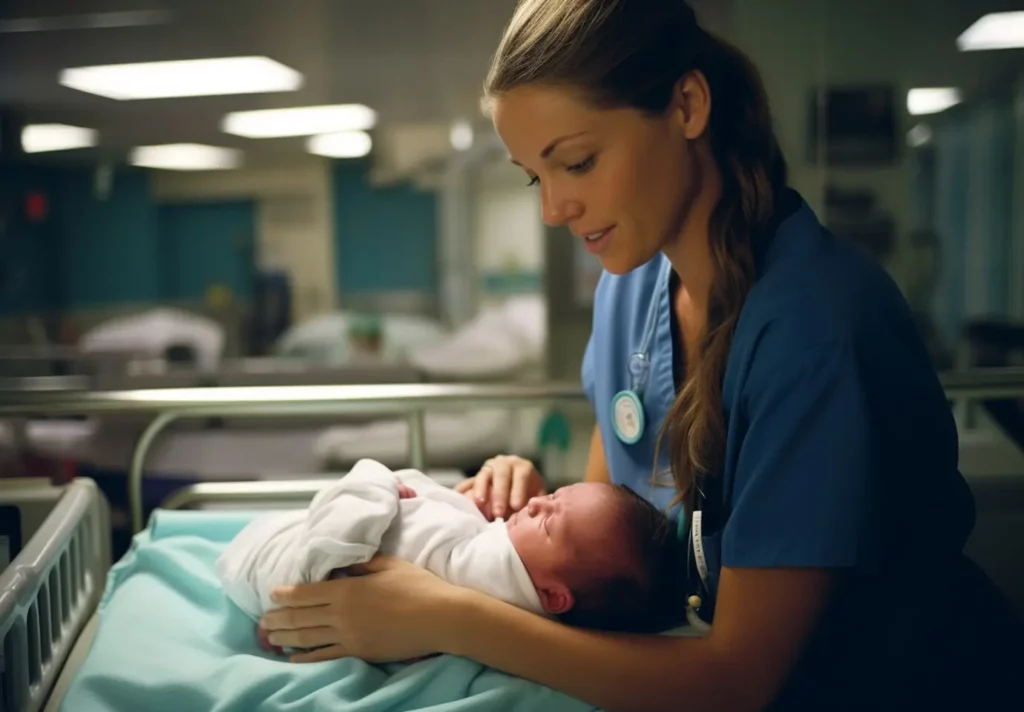
A High-Risk Newborn Clinic is a specialized healthcare facility within a children’s hospital designed to provide critical care and continuous monitoring for newborns who are at an increased risk of serious health complications. These clinics focus on a range of vulnerable infants, including premature babies, those born with congenital disorders, low birth weight babies, and infants requiring intensive medical support in their early stages of life. A high-risk newborn clinic serves as a lifeline for these infants, offering the necessary medical intervention to address potentially life-threatening conditions during the most fragile period of their development.
The significance of a high-risk newborn clinic cannot be overstated. These clinics play a crucial role in ensuring early intervention for newborns who might otherwise have a poor prognosis if left untreated. With the ability to provide highly specialized care, the clinic’s multidisciplinary healthcare teams—including neonatologists, pediatric specialists, nurses, and therapists—work together to deliver personalized treatment plans based on the specific needs of each infant.
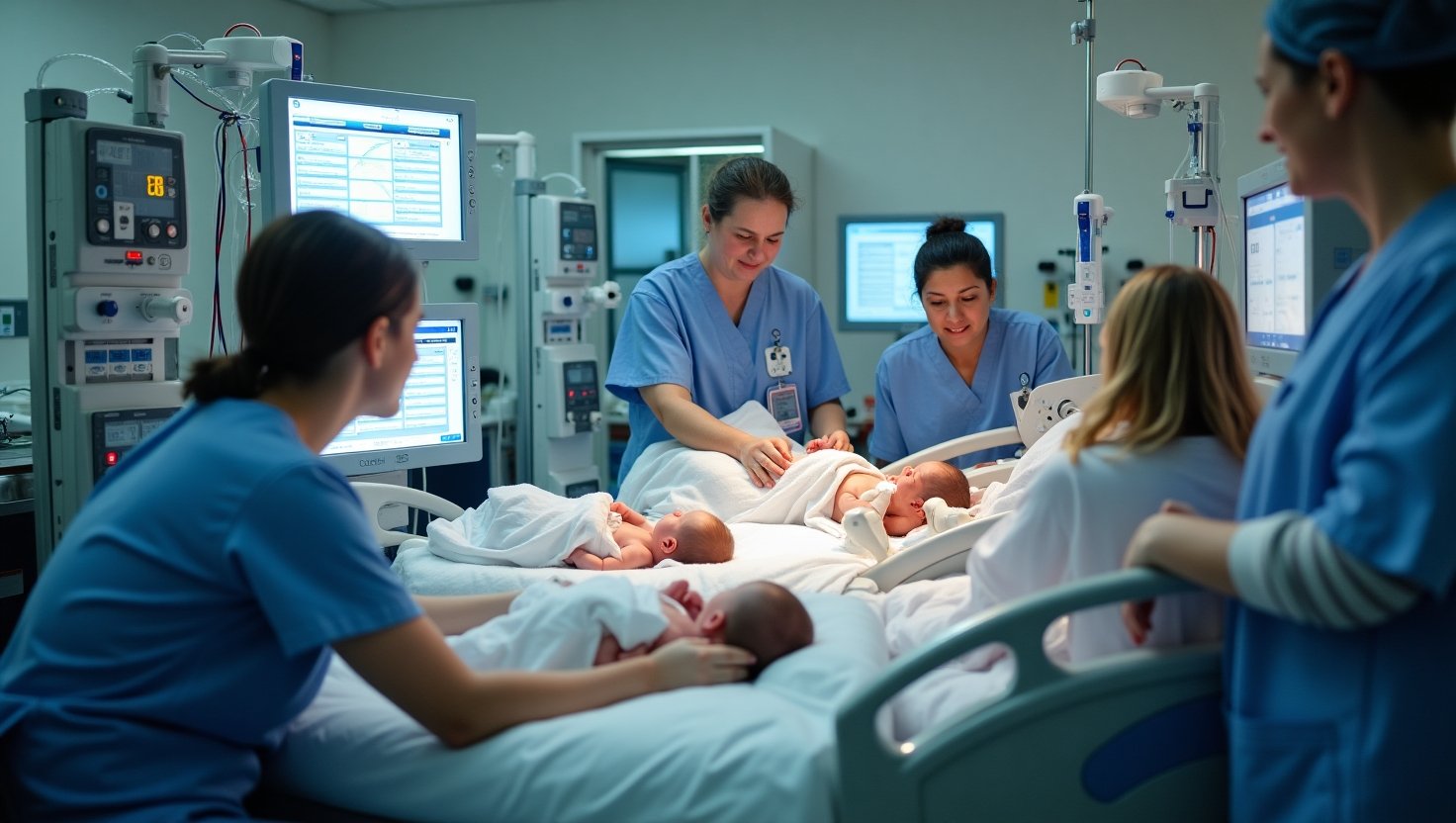
One of the key benefits of a high-risk neonatal clinic is its ability to provide continuous monitoring and immediate access to advanced medical technologies, such as incubators, ventilators, and specialized equipment for oxygen therapy. These tools are essential in managing premature birth, respiratory distress syndrome, cardiac abnormalities, infections, and other conditions that are common in high-risk newborns. Additionally, the clinic focuses on the developmental care of infants, helping them to achieve optimal growth, manage pain, and promote brain development during their earliest weeks of life.
High-risk newborn clinics also serve as essential centers for long-term follow-up care. After a high-risk infant is discharged, these clinics provide ongoing evaluations to monitor the baby’s development, growth, and health outcomes. This follow-up is essential in detecting any delayed effects or complications, such as developmental delays, respiratory problems, or feeding difficulties, which are more common among high-risk infants.
Furthermore, with the ongoing advancements in neonatal medicine, high-risk newborn clinic are at the forefront of using cutting-edge therapies and treatments, many of which have significantly improved survival rates for premature and critically ill infants. Clinics continue to evolve, offering family-centered care that not only addresses the medical needs of the baby but also provides support and education for parents. The goal is to ensure that parents feel empowered and informed throughout their baby’s care journey.
The importance of a high-risk neonatal clinic extends beyond the immediate care of newborns. By offering timely intervention, specialized support, and continuous monitoring, these clinics are pivotal in enhancing the survival rates of at-risk infants and improving their long-term health outcomes. The combination of expert care, advanced technologies, and comprehensive follow-up programs helps ensure that these vulnerable babies have the best chance of growing into healthy, thriving children.
Importance of High-Risk Newborn Clinics in Reducing Infant Mortality Rates
High-risk newborn clinics are a cornerstone in the fight against infant mortality. These specialized facilities provide essential care and interventions to newborns who are born with conditions that make them more vulnerable to complications. By focusing on the immediate and ongoing medical needs of these infants, high-risk newborn clinics significantly reduce mortality rates and improve the survival chances of neonates.
1. Timely Interventions Save Lives:
Infant mortality rates can be significantly impacted by early intervention. High-risk newborn clinics are equipped with state-of-the-art technology and staffed by specialists who can detect and treat serious health conditions as soon as they arise. Conditions such as respiratory distress syndrome (RDS), cardiac complications, infections, and metabolic disorders are just a few examples of serious issues that may arise in high-risk neonates. Timely and accurate interventions offered in these clinics prevent complications from worsening, thereby enhancing survival rates.
2. Early Detection and Management of Health Issues:
The most common complications faced by high-risk neonates include jaundice, infections, low birth weight, underdeveloped organs, and respiratory distress syndrome. These conditions, if left untreated, can lead to severe long-term health consequences, or even death. High-risk newborn clinic are designed to quickly identify these issues using advanced diagnostic tools and treatment plans tailored specifically for neonates. In the case of jaundice, for example, these clinics can provide immediate phototherapy to prevent brain damage, while respiratory distress syndrome may require mechanical ventilation or surfactant therapy to stabilize the infant’s breathing.
Additionally, high-risk newborn clinics offer continuous monitoring and specialized care, addressing the delicate balance of newborn health, from oxygenation to feeding.
3. Multidisciplinary Approach to Neonatal Care:
Neonatal care involves more than just medical treatment – it requires a holistic, comprehensive approach. High-risk neonatal clinics operate on the principle of a multidisciplinary team, which typically includes:
Neonatologists who specialize in the care of newborns with medical conditions.
Pediatricians who oversee overall growth and development.
Respiratory therapists who manage breathing issues.
Nurses trained in neonatal care, providing round-the-clock support.
Nutritionists who ensure the baby’s feeding is optimized for their specific needs, especially in cases of low birth weight or prematurity.
Developmental specialists who monitor the infant’s neurological development and ensure that early interventions are implemented to prevent delays.
This collaborative approach ensures that each aspect of the infant’s health is addressed, from the immediate physical concerns to the long-term developmental milestones, which significantly enhances outcomes for high-risk babies.
4. Preventing Long-Term Disabilities:
One of the most important roles of high-risk newborn clinics is not just saving lives but also preventing lifelong health challenges. Many infants born with complex conditions are at risk of developing long-term disabilities, such as cerebral palsy, developmental delays, and vision or hearing impairments. Early interventions in these clinics can help mitigate the effects of these conditions.
For example, therapies aimed at improving motor skills, visual tracking, and speech development can be introduced early, reducing the likelihood of long-term deficits. Furthermore, by carefully monitoring high-risk infants post-discharge, these clinics provide follow-up care that ensures that growth and development are on track, catching issues that might not be immediately apparent.
5. Support for Families:
High-risk newborn clinics don’t only treat the baby – they also offer vital support for the families. Having a newborn in a high-risk category can be incredibly stressful for parents, so these clinics often provide counseling and guidance to help families navigate the emotional and psychological challenges. Parents are educated on caring for their infant, particularly if the baby requires ongoing medical care after discharge. This support is crucial for easing the transition from hospital to home, reducing stress, and improving the overall well-being of both the infant and the family.
6. Reduced Burden on General Healthcare Systems:
By providing specialized care and reducing the risk of long-term complications, high-risk newborn clinics also alleviate the burden on broader healthcare systems. These clinics help avoid prolonged hospitalizations, emergency treatments, and long-term rehabilitation that might otherwise be needed for babies who are not receiving the right level of care early on. As a result, these clinics contribute to the overall efficiency and sustainability of the healthcare system, making neonatal care more cost-effective in the long run.
7. Improved Health Equity:
High-risk newborn clinics are instrumental in ensuring that all infants, regardless of their socioeconomic background, receive the care they need. In many communities, access to specialized neonatal care can be limited, but these clinics help bridge that gap, offering essential services in both urban and rural settings. In doing so, they help reduce health disparities and improve outcomes for infants who may otherwise face unequal access to life-saving care.
8. Future Impact on Public Health:
By continuing to improve the survival rates and health outcomes of high-risk newborns, these clinics play a significant role in public health initiatives aimed at reducing overall infant mortality. As these clinics develop and refine their practices, they also provide critical data on neonate care that can influence national healthcare policies and contribute to better health strategies globally.
Types of High-Risk Newborn Clinic for Children’s Hospitals
- Neonatal Intensive Care Unit (NICU) Follow-Up Clinics Purpose: These clinics provide post-discharge care for infants who have spent time in the NICU, ensuring they continue to develop properly.
Services Offered:
- Regular health checkups and developmental assessments.
- Monitoring of growth, weight gain, and organ function.
- Early detection of neurological or cognitive impairments.
- Follow-up for preterm infants with feeding or respiratory issues.
Who Benefits?
- Preterm infants (born before 37 weeks).
- Babies with low birth weight.
- Neonates recovering from infections, surgeries, or respiratory distress.
- Preterm and Low Birth Weight Clinics Purpose: These specialized clinics focus on babies born too early or with significantly low birth weight, as they are at higher risk for nutritional deficiencies, developmental delays, and infections.
Services Offered:
- Close monitoring of weight gain and nutritional intake.
- Specialized feeding plans, including breastfeeding support.
- Developmental milestone tracking.
- Immune system strengthening through vaccinations and preventive care.
Who Benefits?
- Infants weighing less than 2,500 grams (5.5 lbs) at birth.
- Babies with slow weight gain or feeding difficulties.
- Neonates prone to infections and respiratory problems.
- Neonatal Neurology Clinics Purpose: These clinics focus on detecting and treating neurological disorders in newborns, ensuring early intervention to enhance brain development.
Services Offered:
- Screening for conditions like cerebral palsy, epilepsy, and hydrocephalus.
- Brain imaging (MRI, CT scans) for at-risk neonates.
- Physical and occupational therapy for motor skill development.
- Cognitive and behavioral assessments.
Who Benefits?
- Infants with brain injuries or birth trauma.
- Babies with suspected genetic or metabolic disorders affecting the brain.
- Newborns who experienced oxygen deprivation (hypoxia) at birth.
- Cardiac Neonatal Clinics Purpose: These clinics provide specialized care for infants with congenital heart defects (CHD) and other cardiovascular conditions.
Services Offered:
- Screening for congenital heart diseases (CHD) using echocardiograms.
- Post-surgical monitoring for infants who underwent heart surgery.
- Oxygen therapy and medication management.
- Long-term cardiac health monitoring.
Who Benefits?
- Babies diagnosed with heart defects before or after birth.
- Infants needing post-operative cardiac care.
- Newborns with arrhythmias or other cardiovascular conditions.
- Respiratory and Pulmonary Neonatal Clinics Purpose: These clinics cater to infants with chronic lung diseases, respiratory distress syndrome (RDS), and conditions requiring ongoing breathing support.
Services Offered:
- Oxygen therapy and ventilator support.
- Treatment for bronchopulmonary dysplasia (BPD).
- Pulmonary function tests and imaging.
- Preventive care for respiratory infections.
Who Benefits?
- Preterm babies with underdeveloped lungs.
- Infants with chronic lung diseases or congenital respiratory issues.
- Neonates recovering from severe respiratory infections.
- Neonatal Genetic and Metabolic Clinics Purpose: These clinics specialize in diagnosing and managing genetic disorders and metabolic diseases that can affect a baby’s growth and development.
Services Offered:
- Genetic testing and counseling for families.
- Newborn screening for metabolic disorders like phenylketonuria (PKU).
- Dietary and enzyme replacement therapies.
- Long-term care planning for inherited conditions.
Who Benefits?
- Babies diagnosed with genetic syndromes or metabolic disorders.
- Families with a history of inherited diseases.
- Infants requiring lifelong specialized care.
- Surgical Neonatal Clinics Purpose: These clinics provide post-operative care for infants who require complex surgeries for congenital abnormalities or life-threatening conditions.
Services Offered:
- Post-surgical recovery monitoring.
- Wound care and infection prevention.
- Nutritional and feeding support for babies recovering from abdominal surgeries.
- Long-term follow-up for corrective and reconstructive surgeries.
Who Benefits?
- Infants born with congenital anomalies like cleft palate or spina bifida.
- Babies needing gastrointestinal or orthopedic surgeries.
- Neonates recovering from emergency surgical procedures.
- Neonatal Immunology and Infectious Disease Clinics Purpose: These clinics provide specialized care for newborns with weakened immune systems or those recovering from severe infections.
Services Offered:
- Immune system assessments.
- Treatment for neonatal sepsis and meningitis.
- Preventive care and vaccinations.
- Long-term follow-up for immune-deficient infants.
Who Benefits?
- Premature babies with underdeveloped immune systems.
- Infants exposed to infections during birth (e.g., HIV, syphilis, or Zika virus).
- Neonates with autoimmune disorders.
- Neonatal Gastroenterology and Nutrition Clinics Purpose: These clinics focus on treating digestive disorders and feeding difficulties in newborns.
Services Offered:
- Management of gastroesophageal reflux disease (GERD).
- Treatment for malabsorption syndromes.
- Nutritional support and feeding therapy.
- Specialized diets for babies with intestinal issues.
Who Benefits?
- Babies with difficulty feeding or digesting nutrients.
- Infants with food intolerances or severe allergies.
- Neonates with surgical or congenital digestive conditions.
- Developmental and Behavioral Neonatal Clinics Purpose: These clinics help identify and support infants who show developmental delays or behavioral concerns.
Services Offered:
- Early intervention programs for speech and motor delays.
- Therapy for autism spectrum disorders (ASD).
- Parental guidance and support groups.
- Psychological and emotional assessments.
Who Benefits?
- Infants with delayed motor, speech, or cognitive skills.
- Babies exposed to substance abuse or maternal stress during pregnancy.
- Newborns at risk for neurodevelopmental disorders.
Services Provided at a High-Risk Newborn Clinic
- Neonatal Intensive Care Unit (NICU) Follow-Up: Babies who have been discharged from the NICU require ongoing monitoring and assessments to ensure continued recovery and proper development.
- Growth and Developmental Monitoring: Regular weight, height, and head circumference measurements. Assessment of motor skills, reflexes, and sensory responses. Early detection of developmental delays.
- Specialized Medical Care: Management of respiratory complications. Treatment for congenital heart diseases. Nutritional support for feeding difficulties.
- Vaccination and Immunization Programs: Timely administration of recommended vaccines. Additional immunizations for preterm infants.
- Parental Counseling and Education: Training parents to manage at-home neonatal care. Emotional and psychological support for families. Guidance on feeding, sleeping patterns, and emergency care.
Challenges Faced by High-Risk Newborn Clinic
- Limited Access to Specialized Care: Many regions lack access to well-equipped high-risk neonatal clinics, making it challenging for parents to get the necessary care for their newborns.
- Financial Constraints: Neonatal care is expensive, and not all families have the financial resources to afford long-term medical support.
- Managing Long-Term Disabilities: Some high-risk neonates develop conditions like cerebral palsy or hearing impairments, requiring lifelong support and rehabilitation.
- Emotional and Psychological Impact on Families: Parents of high-risk neonates often experience stress, anxiety, and depression. Providing emotional support and counseling services is essential.
- Continuity of Care: Ensuring seamless transitions from the NICU to outpatient follow-up clinics can be complex.
- Psychosocial Impact on Families: The stress of caring for a high-risk infant can affect family dynamics, leading to burnout and emotional distress.
- Ethical Dilemmas in Neonatal Care: Decisions about life-sustaining treatments for critically ill infants can present ethical challenges for medical professionals and families.
- Integration with Primary Healthcare: Coordination between HRNCs and primary healthcare providers is essential but often lacks standardization, leading to gaps in care continuity.
Technological Advancements in High-Risk Newborn Clinic
- AI-Powered Health Monitoring: Artificial intelligence is being used to predict health risks, monitor vital signs, and improve neonatal care outcomes.
- Telemedicine for Remote Consultations: Parents can consult neonatologists remotely, reducing the need for frequent hospital visits.
- Advanced Incubators and Respiratory Support Systems: Modern incubators with temperature control and respiratory support help stabilize preterm infants.
- Digital Health Records and Automated Follow-Ups: Electronic medical records ensure efficient tracking of a baby’s health progress and timely interventions.
The Future of High-Risk Newborn Clinic
- Expansion of Community-Based Neonatal Care Programs: Bringing specialized care to underserved areas through mobile neonatal units and community outreach programs.
- Gene Therapy and Personalized Medicine: Advancements in genetics may lead to personalized treatment plans for neonates with inherited disorders.
- Enhanced Government Policies and Funding: Increasing investment in neonatal healthcare infrastructure and research to improve care quality and accessibility.
- Integration of Smart Wearable Devices: Innovative wearables for infants can monitor oxygen levels, heart rate, and body temperature in real-time, reducing hospital stays.
Conclusion
High-risk neonatal clinics are at the forefront of ensuring the survival and long-term health of vulnerable newborns, particularly those who face significant medical challenges from birth. These specialized centers provide essential services for newborns who are born prematurely, have low birth weight, or experience other critical conditions that require intensive and specialized care. In these high-risk newborn clinics, infants are given access to advanced medical interventions, life-saving treatments, and a team of experts working together to address their unique needs.
As medical technology advances, high-risk newborn clinics continue to benefit from cutting-edge innovations that improve the survival rates of neonates. Equipment such as advanced ventilators, high-frequency oscillatory ventilators, and sophisticated monitoring systems enable medical professionals to monitor infants’ vital signs with unparalleled precision. These high-tech tools allow healthcare providers at high-risk newborn clinics to detect and respond to complications swiftly, providing timely interventions that make all the difference in the survival of these fragile babies.
Moreover, a high-risk newborn clinic is not just about advanced equipment; it also depends on the expertise of a multidisciplinary team of healthcare professionals. Neonatologists, pediatric surgeons, respiratory therapists, nurses, and other specialists work in unison to ensure that each infant receives individualized care. This team-based approach ensures that every newborn, no matter how high-risk their condition, receives comprehensive care from birth through recovery.
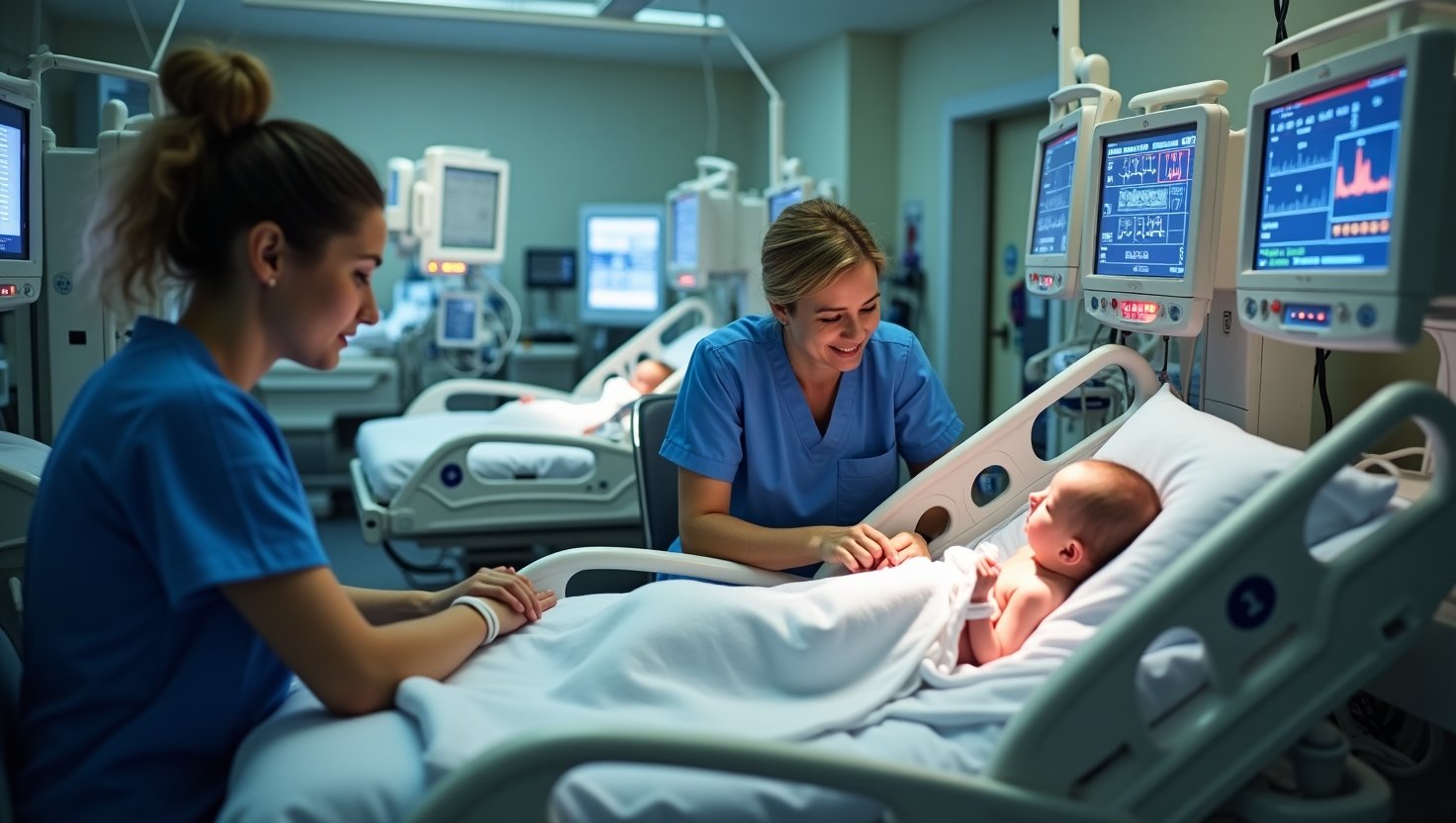
The importance of high-risk newborn clinics also lies in their ability to provide continuous monitoring and long-term follow-up care. Infants who are born with severe health risks often need months of specialized care, including support for breathing, feeding, and temperature regulation. High-risk newborn clinic have dedicated neonatal intensive care units (NICUs) where infants can be monitored around the clock, and critical care services are always available. As these babies grow and develop, ongoing evaluations and developmental support are necessary to address any lasting health complications, such as developmental delays or respiratory issues. This long-term care is often made possible by the resources and infrastructure of high-risk newborn clinics, which ensure that no child is left behind.
Access to a high-risk newborn clinic is a crucial aspect of healthcare that can be life-saving for families. Often located in hospitals with the best resources and specialists, high-risk newborn clinics are essential for giving babies the best chance at survival. Families with newborns facing serious health challenges often find themselves under immense stress. High-risk newborn clinics provide not only critical medical care but also emotional and psychological support to families during what can be a harrowing experience. Many clinics offer counseling services, parental education, and peer support programs to help parents navigate the uncertainty and fear associated with caring for a high-risk newborn.
As neonatal care continues to progress, the role of high-risk newborn clinics will only become more vital. With the ongoing development of telemedicine, remote monitoring, and artificial intelligence, the reach and effectiveness of high-risk newborn clinics will expand, enabling even more families to access expert care. Innovations in personalized medicine will also allow for more tailored treatments based on the genetic makeup of each newborn, improving outcomes for those with complex conditions.
Looking forward, high-risk newborn clinics are poised to become even more integral to neonatal healthcare. With the continuous improvement of medical technologies, ongoing research into better treatment options, and a growing focus on the overall well-being of both infants and their families, these clinics will continue to be essential in addressing the needs of high-risk newborns. The future of high-risk newborn clinics is one of hope and promise, ensuring that every vulnerable newborn, regardless of their health challenges, receives the best start in life possible.
In conclusion, high-risk newborn clinics are an essential part of the healthcare landscape, offering life-saving interventions and ongoing care for vulnerable infants. As advancements in medical technology, access to care, and multidisciplinary support continue to improve, high-risk newborn clinics will continue to evolve and offer even better outcomes for these fragile babies. With ongoing investment in innovation and a focus on personalized, compassionate care, high-risk newborn clinics will remain at the forefront of neonatal healthcare, ensuring that every newborn has the opportunity to thrive and grow into a healthy child. These clinics are, without a doubt, critical to the future of neonatal care and the well-being of our most vulnerable infants.